 Shopping Cart (



From factories and warehouses, pipe railing can now be found in many homes and commercial buildings. People mainly choose them for their clean lines, durable performance, and strength.
A well-crafted pipe handrail works perfectly on staircases, open lofts, and exterior areas. This metal layout is built from steel pipe and fits ideally where wood fails fast.
This quick guide explains how to plan and build a reliable pipe stair rail. We’ll go over choosing materials, fittings, and finishes, from start to end.
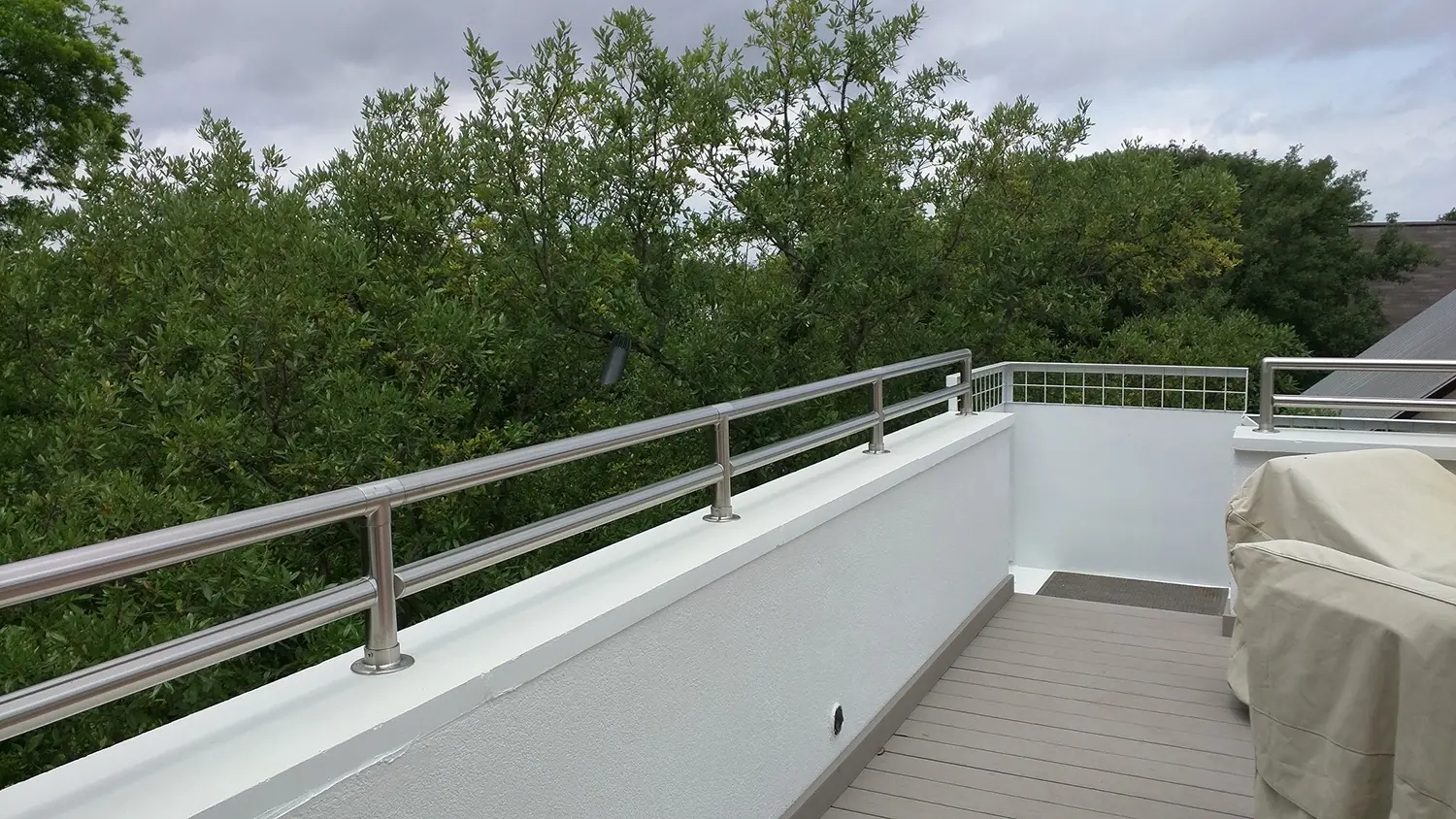
Why Choose Pipe Railing for Your Project
The primary reason people choose pipe railing is its durability. A metal pipe railing can withstand daily usage without bending, flexing, or loosening. It can be bolted into wood, concrete, or steel to stay tight for years. Most homeowners replace their old, bulky wood railing due to wear with a pipe railing that lasts for years.
It also works across pretty much any layout. From straight runs, landings, corners, and ramps, they all support the same parts. The pipes fit any railing system, such as a stairwell, balcony, or ramp railing, with minor layout changes.
Different Types of Pipe Railing - Their Pros and Cons
There are several different types of pipe railings affecting their architecture and main features:
Stair Pipe Railings
This type of pipe railing for stairs supports daily movement and carries most of the load. You will see it on residential and commercial stairs where stability matters most. It often replaces wood staircase railings and works well with concrete or timber steps.
| Pros: | Cons: |
| They feature high load capacity. | They occupy some of the floor space. |
| Proven to have a long service life. | Drilling is required during installation. |
| Works with modern and old styles. | It is harder to change the layout later. |
| They remain stable under pressure. | The material cost is higher than wood. |
Note: Use this type of pipe railings when strength is of the essence!
Wall-Mounted Pipes
A pipe handrail fixed with wall mounting brackets keeps walkways clear. Builders often choose this layout for narrow stairs where posts block movement. It is the perfect solution for many homes and apartments with limited width.
| Pros: | Cons: |
| Wall-mounted pipes save floor space. | Wall-mount requires a solid wall. |
| They offer clean lines and an airy feel. | It is not ideal for any open stairs. |
| The installation remains very simple. | The load depends on the wall type. |
| Wall-mount uses fewer pipe fittings. | There is a limitation regarding styling. |
Note: Use wall-mounted systems only when the wall is solid.
Balcony and Deck Pipes
This type uses pipe rail sections to block open edges on raised platforms. Many designs rely on steel pipe railing for height and wind resistance. It focuses on fall prevention over grip comfort.
| Pros: | Cons: |
| They feature vastly improved safety. | It uses much more equipment than usual. |
| Crafted to handle outdoor exposure. | The installation is longer and more complex. |
| Works with outdoor handrail layouts. | Building code limitations affect layout. |
| They offer a strong fall-prevention barrier. | There are many extra fittings required. |
There are even more diverse types, like ramp pipe railings and freestanding barrier railing pipe, that match different occasions and needs.
What Material Should You Choose for Pipe Railings for Stairs
The material you decide to go with will affect your strength, corrosion risk, and grip feel. Hence, a pipe stair handrail faces different challenges based on the environment.
Here are the most common options for a pipe handrail for stairs:
- Steel Pipe: Strong and affordable, best for indoor staircases with steady daily use.
- Galvanized Pipe: Zinc coating slows rust, suitable for basements and outdoor stairs.
- Stainless Steel: Resists corrosion, often used for premium pipe banister designs.
- Aluminum Pipe: Lightweight and rust-free, easier to handle during initial installation.
- Powder-coated Steel: Painted steel, helping match interior colors and reduce wear.
Based on these unique features of each material, you can easily decide which one works ideally in your scenario. The material will determine the performance and longevity of your pipe railings.
The Pipe Handrail Fittings and Tools You Will Use
Building a solid pipe hand railing depends more on fittings than on the pipe itself. The right parts will keep your handrail pipe tight, aligned, and secure.
That’s why understanding all the fittings and tools is critical:
| Fitting/Tool: | Purpose: |
| The elbow fitting allows the railing to change direction at corners or landings. | |
|
T-connector Fitting |
The T-connector fitting connects side rails to the main horizontal pipe section. |
| The floor flange base anchors vertical posts firmly into wood or concrete floors. | |
|
Wall Bracket Mount |
The wall bracket mount secures the handrail tightly against a supporting wall. |
|
End Cap Fitting |
The end cap fitting closes exposed pipe ends to prevent cuts and dirt buildup. |
|
Anchor Bolts Set |
The anchor bolts lock the baseplates into concrete or masonry surfaces. |
|
Drill With Bits |
A drill with bits is essential to create clean holes for anchors and mounting hardware. |
|
Measuring Tool |
The level measuring tool ensures the railing stays straight for the full run. |
|
Wrench Set |
The wrench set is necessary to tighten threaded fittings, so joints do not loosen over time. |
Note: These parts sometimes come as loose components or bundled inside handrail kits and a full railing kit.
Galvanized vs Aluminum vs Stainless Steel Pipes for Outdoor Handrails
Outdoor installations are exposed to natural elements like rain, sun, temperature changes, and constant moisture. A pipe handrail outdoors needs corrosion resistance, strength, and durability.
Here’s how the three main options compare to an outdoor pipe handrail:
Galvanized Pipe Handrail:
The galvanized pipe handrail features zinc coating, which guarantees very slow rusting and low surface damage. It works ideally for entries and garages, where exposure is limited. It is heavier than the other options and offers limited appearance options.
Aluminum Pipe Handrail:
The aluminum pipe does not rust and weighs far less than steel. This is what makes it an ideal option for almost any outdoor area. Installers often choose it for long runs and elevated pipe rail layouts where reducing the load on concrete matters.
Stainless Steel Pipe Handrail:
The stainless steel pipe resists corrosion without coatings and keeps a clean finish for years. Many premium outdoor handrails and modern pipe stair systems use it for looks and lifespan.
It costs more upfront but reduces repainting and surface treatment work later.
Pipe Stair Rail Safety & Code Basics Every Homeowner Should Know
A pipe stair rail does a lot more than guide your hand. It is meant to prevent falls and support body weight. Most issues come from building code violations, so learning the basics is crucial.
| Safety Factor: | Measurement: |
| Handrail Height | 90 to 100 cm. |
| Grip Diameter | 38 to 50 mm. |
| Wall Clearance | At least 38 mm. |
| Post Spacing | 90 to 120 cm. |
| Rail Endings | Turn into a wall. |
| Load Strength | 90 to 120 kg. |
| Child Protection | No wide gaps. |
| Outdoor Mounting | Extra anchors used. |
Note: A compliant stair railing setup improves safety, especially when installing pipe handrails for outdoor steps.
Maintaining Pipe Handrails - Rust Prevention, Paints & Yearly Checklist
The corrosion likes to build where moisture stays trapped. This means around joints, brackets, and various mounting points. This affects both indoor and outdoor systems, especially on pipe railing stairs near entry or cold-temperature areas.
The solution is paint and surface finishes, which slow this process!
The finish seals the material from water and air. This is important even on indoor stairs because the damage there comes from hand oils and cleaning chemicals. As far as the exterior railing, the exposure to rain, sun, and temperature changes makes a solid finish and paint a necessity.
Staircase Handrail Yearly Maintenance Checklist:
Use this hand rails maintenance checklist once per year. Spring works best.
- Check all bolts for a tight fit.
- Shake posts for movement.
- Inspect railing pipe threads.
- Look for paint chips or cracks.
- Remove the rust with a brush.
- Repaint exposed bare metal.
- Clean the hand contact areas.
- Check the anchors and plates.
We hope you’ve learned more about pipe handrails for steps, and we wish you the best of luck with your railing endeavors.