 Shopping Cart (



While homeowners seek stair railing designs that match their taste and style, one of the primary priorities remains longevity and durability.
It does not matter whether it’s an outdoor living space or indoor interior upgrades; the materials you choose will determine how well your railing will perform over time. It’s recommended to dig deep and compare railing materials to combine everything you need – durability, style, and cost.
This quick guide runs you through the main options you’ve got, the strengths of each material, and the factors you need to consider. We will explore stair railing materials, types of stair rails, deck railing sections, and stair parts details, so keep on reading!
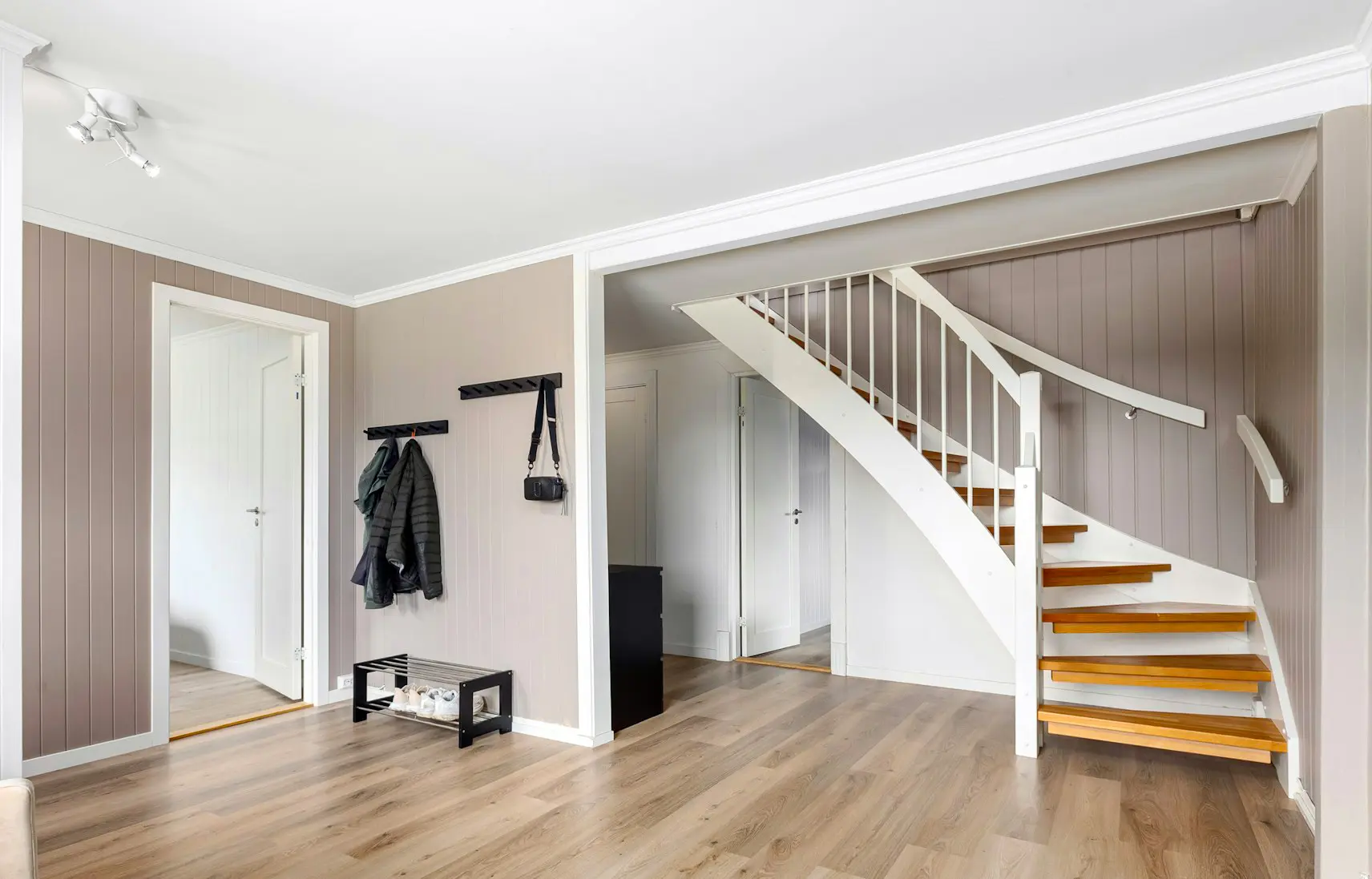
What Are Modern Railings Made Of? Material Options
In the most modern systems, you’ll find many different types of materials and combinations, and each choice fits specific occasions and environments.
Let’s go through the most popular material options for modern railings:
Wood
Wooden railings are a traditional option that matches perfectly with indoor stairs, with the sole purpose of providing that desired warmth. The drawbacks here are that it requires regular maintenance, and it does pick up dents and scratches faster than other materials.
The good thing is that wood blends perfectly with many different stair designs, handrails, and railing layouts.
Composite
The composite material features a combination of polymers and wood fibers, which makes it look like wood, offering much greater resistance. It is one of the most preferred deck railing material options and supports many deck railing sections without too much regular upkeep.
Note: This is undoubtedly the best material for front porch railing!
Vinyl
Vinyl railings are excellent for environments with high humidity and moisture. It is a popular option for many outside railings and porch railing materials due to its longevity and resistance. The solid vinyl structure also reduces issues such as pieces that crack during installation.
Aluminum
The aluminum railings are great when you need to fight against corrosion. This makes them ideal for outdoor handrails, whether it’s decks or balconies. The good thing about aluminum is that railing kits are easy to put together and fit smoothly.
Stainless Steel
Stainless steel railings deliver strong resistance to moisture and impact. They work excellently in high-traffic areas and hold their shape under frequent use. The surface cleans easily, and steel handrails in this group handle long-term wear.
Mild Steel
Mild steel fits projects where you need firm support at a lower cost. It weighs more than aluminum and often ends up more expensive than steel options in the stainless group because of finishing work. It suits protected indoor spots.
H3 Glass
A glass railing uses tempered panels for clear sight lines on stairs or decks. It resists corrosion and handles daily cleaning. Glass railings fit projects where airflow and light have priority.
Composite Metal Mixes
Some of these systems combine metals with composite sleeves. These blends support both the best material for deck railing needs and indoor style goals. They link well with deck railing material, hardware, and stair part fittings.
What Is the Most Durable Material for Stair Railings
Since we’ve reviewed the options when it comes to material, let’s explore the most durable of them, so you can get a clear picture of what works best.
Stainless Steel - Durability [10/10]
The stainless steel railings are undoubtedly the winner when it comes to durability and longevity. This is the material you choose when your top priority is resistance, stability with high traffic, and a strong foundation that will last for years to come.
Aluminum - Durability [9/10]
The aluminum railings come second when it comes to durability because they hold their shape even in the highest temperatures during the summer. They are a reliable railing option for any space, occasion, or requirement, and perform perfectly in open areas.
Composite - Durability [8/10]
Composite handles impact and surface wear without fast aging. It keeps a stable outer layer and links smoothly with deck railing components. You see long-term durability in both stairs and nearby deck railing setups. It stays firm even when exposed to seasonal moisture.
Glass - Durability [7/10]
Glass railings with posts use tempered panels that handle force well. The panels keep clarity even with daily cleaning, and the durability depends on firm anchors and careful handling of each section. If one thing is very important is that strong brackets will surely raise the lifespan of each panel.
Mild Steel - Durability [7/10]
Mild steel stays strong when coated against moisture. It supports long spans without bending, and you get even better results when the finish stays intact in protected stair areas. It’s good to remember that mild steel holds well under repeated use.
Vinyl - Durability [6/10]
Vinyl stays stable in humid rooms and covered spaces. The material avoids warping and holds color. It also performs best when used with lighter stair rails that see modest impact, so proper support helps extend its lifespan.
Key Factors That Affect Stair Railing Lifespan
The key factors really depend on what railings are made of and where the railings are installed.
Here are the critical factors that affect stair railing lifespan:
Material Strength
You’ve guessed it – the most important factor is the railing materials. The stronger the material, the better it holds under pressure. This is the factor that affects the types of stair rails in many high-traffic areas, and really determines the best deck railing material, especially for outdoors.
Installation Quality
The railing installation quality is another factor of great importance, and each railing material can fail when set up incorrectly. We’re speaking about panels, arches, nuts, and all other pieces that must fit together perfectly, especially on outside railings.
Railing Exposure
A fundamental factor for your stair railing's lifespan is environmental exposure, which can affect your stair railing materials quickly.
In short:
- Best material for outdoor stair railing = material that resists moisture.
- Best material for indoor stair railing = the material that remains stable.
Area’s Traffic
The final factor you need to consider when choosing deck railing materials or stair rails, is how much daily use it must withstand.
When choosing deck railings or looking for the best material for porch railings, for example, consider the material that best resists outside conditions. In turn, when you need interior rail, we recommend estimating the daily use and going for a durable material.
Note: Each option wears at a different rate and brings its own pros and cons!
Which Type of Stair Railing Is Best for Your Home
The best choice depends on how you’ll be using the space, the look you desire, and, of course, the conditions around the stairs or deck.
Essentially, you need to match deck and railing materials with your interior or exterior setup so the system stays stable. You must focus on long-term wear, support from newel posts, and how each option fits nearby outdoor handrails or interior layouts.
This is what will help you choose a setup that will stay firm, look consistent, and perform well!