 Shopping Cart (



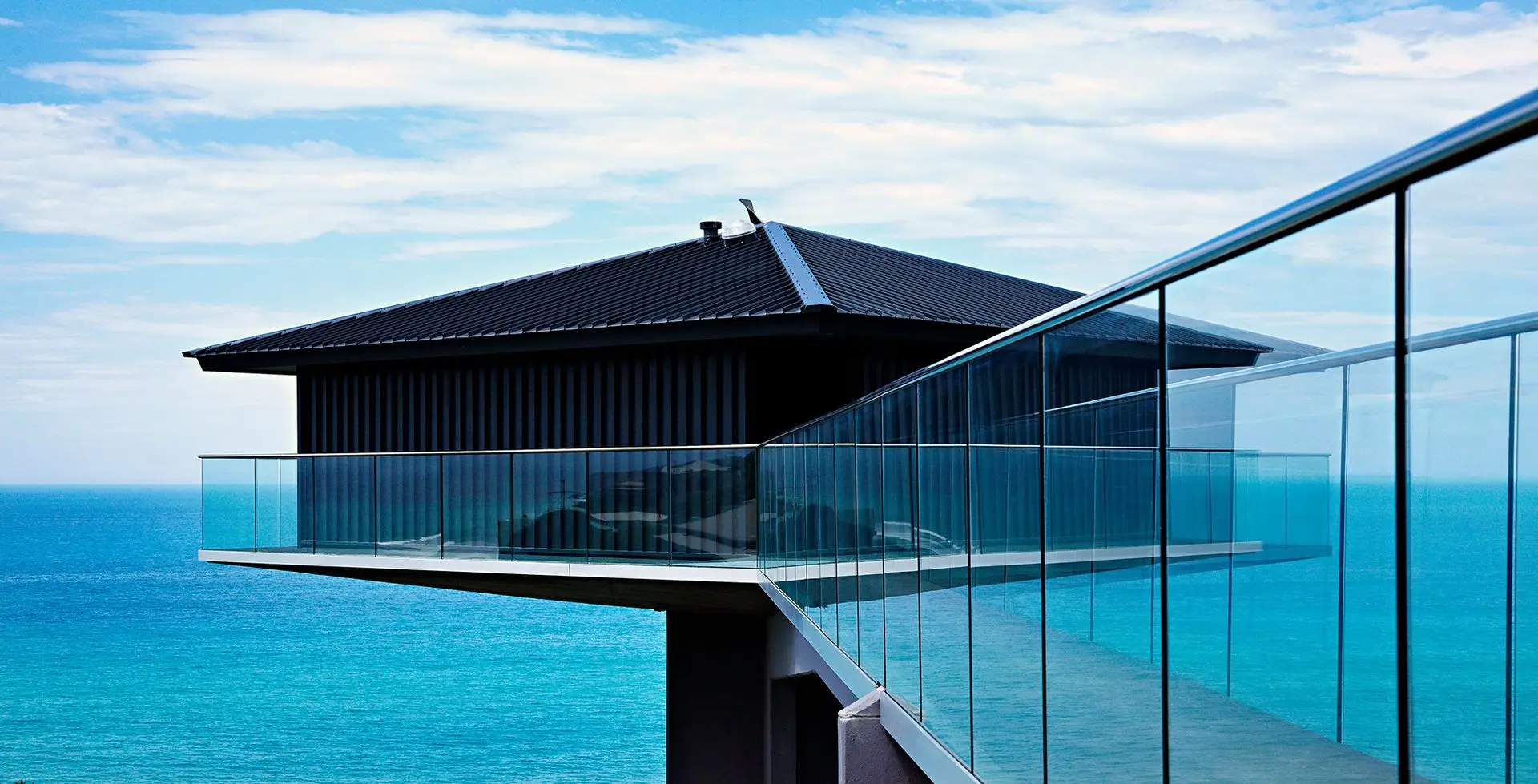
Something about the frameless glass railings instantly captures attention, especially if you are looking to bring some natural light or have your view unobstructed. They immediately enlarge the entire area and transform any home into a more inviting, modern, and mesmerizing space.
If we put the design aside, which is undoubtedly eye-catching and modern, we also discover that glass railings are extremely safe.
So, this quick guide will explore all the essentials you need to know before committing to the frameless glass railings, covering critical information such as cost, installation, care, and more.
How Much Does a Frameless Glass Railing Cost
The frameless glass railing is undoubtedly a bit more expensive than other traditional railing systems, but it is an investment in both appeal and security.
The actual price, however, could be different based on many factors such as the system itself, the materials used, and how difficult the installation may be on specific occasions.
Here’s approximately what to expect:
| Frameless Glass Railing System: | Cost per Linear Foot (Installed) | Where? |
| Frameless glass deck railing | $250 – $600 | Outdoor decks and patios |
| Frameless glass balcony railing | $300 – $700 | Balconies and rooftop spaces |
| Frameless glass stair railing | $350 – $800 | Interior and exterior staircases |
| Frameless glass handrail with top rail | $200 – $450 | Indoor corridors and hallways |
| Full custom frameless glass railings with stainless steel fittings | $400 – $900 | Premium modern designs |
Note: The prices in the table are examples based on averages in the industry, and actual costs may vary depending on location, manufacturer, and labor rates.
Laminated vs Tempered Glass for Frameless Railings - Which to Choose
If you’re digging deep into your options, when it comes to frameless glass railings, you’ll always come down to the dilemma – laminated glass or tempered glass.
Undoubtedly, both choices are going to bring a perfect balance between safety and strength, but all these similarities also bring critical differences you must know.
Tempered Glass
The tempered glass is heat-treated, which means that its strength is enhanced, making it just perfect for frameless glass railing systems installed outside. So, people go with tempered glass when the area features high traffic and impact.
Laminated Glass
On the other hand, we have laminated glass, which is crafted together by glass panels that can hold up even when cracked. So, this makes laminated glass railings good for both residential and commercial areas, without any worries.
The Winner?
To be as concise as possible, there is no clear winner. Tempered glass is better for durability and corrosion resistance, while laminated glass is great for budgeting and works everywhere.
Choosing Between Spigots, Channel/Base Shoe, and Side-Fixed Systems
The support in the frameless glass railing system is one of the most important factors, which plays a vital role in how the entire installation looks. So, the hardware (spigots, base shoe, or side-fixed systems) is what defines the entire style.
| How it Works: | Ideal For: | |
| Spigots | Those are small (stainless) steel brackets that keep the glass panels from below, providing support. | Perfect for outdoors, especially when you want clear edges. |
| Channel/Base Shoe | This is a long, aluminum steel base that anchors the glass at the bottom and provides a solid support. | It aligns best with balconies, where stability matters the most. |
| Side-Fixed Systems | Here, the glass is positioned on the side of the structure and often provides this “floating” feeling. | This is perfect for indoor areas, in modern homes, where the space is narrow and tight. |
Frameless Glass Railing Installation
The installation of a frameless glass railing must be carefully considered, and you must always use the right tools for the job. The installation, of course, differs based on the railing system’s type, hence we’ve prepared a few steps to show you how it goes:
1. Area Preparation
The first step is to ensure that the surface (wood, concrete, tiles) is leveled and strong enough to withstand the weight of the glass panels. Then you need to secure all the fittings or the base shoe channels securely before positioning the glass.
2. Glass Settlement
About the frameless glass handrails, you need to carefully lower them into their mount, adjust the spacing, and then lock in the clips/gaskets. This is the most time-consuming step, as it needs precision, which is what provides the frameless glass look.
3. Finishing Touches
The final part is, of course, setting up the top rail, which is going to seal the edges and provide longevity to your railing system.
Tip: When you’re ready, clean all fingerprints to enjoy a clear design!
DIY vs Pro: Is Frameless Glass Railing a DIY Project?
If you have already done your research, you’ve probably found a lot of frameless glass railing systems that are being advertised as “easy to install”.
The truth is that even these commercial kits require extreme precision and the proper tools. There are a lot of issues that can arise, such as misalignment of the fittings; hence, if you have no technical expertise in installing railings, we recommend hiring an expert for the installation.
On the other hand, if you feel confident, a small frameless glass deck railing will be completely manageable, but we recommend having a second pair of hands.
How to Clean and Maintain Frameless Glass Railings
If there is one downside of frameless glass railings is that they require a bit of cleaning every now and then to preserve their appeal.
Here are several ways to clean frameless glass railings:
- Microfiber Cloth: A microfiber cloth is the best possible way to clean both the glass panels and frameless glass handrails of all smudges and fingerprints.
- Rinse and Dry: If you don’t have a microfiber cloth, just rinse the glass, wait for a few minutes, and then wipe the spots with any dry cloth.
- Hardware Check: The fittings and base shoe channels can often get dirty or loose, so regular checks and cleaning may be required there as well.
Note: We recommend avoiding harsh chemicals as abrasive cleaners, that can damage tempered glass or laminated glass surfaces.
Winter Care for Outdoor Frameless Glass Deck Railing: Preventing Stains and Freeze Damage
When it comes to frameless glass deck railings in the open during the winter, there is a bit of extra care that must be applied to protect them from any permanent stains or freeze damage.
During the cold season, we recommend wiping down the glass panels more regularly to verify that no salt or debris has built up. Additionally, you may also apply a protective sealant to any exposed frameless glass railings to ensure they are corrosion-resistant in a wet environment.
Installing Frameless Glass on Existing Decks and Rail Posts
If you want to transform an old place by retrofitting frameless glass railing onto existing decks or glass railing posts, you need to use the correct railing products.
As we’ve already mentioned, you need channels or spigots, base shoes, and glass panels that will be securely mounted without any major structural changes. Putting everything together is the difficult part, not the actual environment, whether it’s a brand-new area or an existing deck.
The key here is careful measurement of your existing area before purchasing your kit, as well as additional details taken into consideration that can impact the installation process.
We hope you have learned something new today, so get started and upgrade your space with frameless glass railings to enjoy the perfect blend of safety, style.