 Shopping Cart (




Put yourself in a man's shoes. The individual develops knee pain during rigorous routines and finds himself struggling to walk let alone climb the stairs. They are left with no choice but to take the elevator or use outdoor handrails for concrete steps to support themselves while climbing.
There is a rare chance that a residential or commercial property does not have outdoor railings for concrete steps for getting to places. It is a durable and practical way to access but they can be problematic in many cases. There are safety risks concerned with hard surfaces and steep inclines, especially for the elderly, children, and those with mobility issues. Installing handrails on concrete steps is important.
There are different kinds of railings for concrete steps and this article will delve into the importance of a stair handrail.
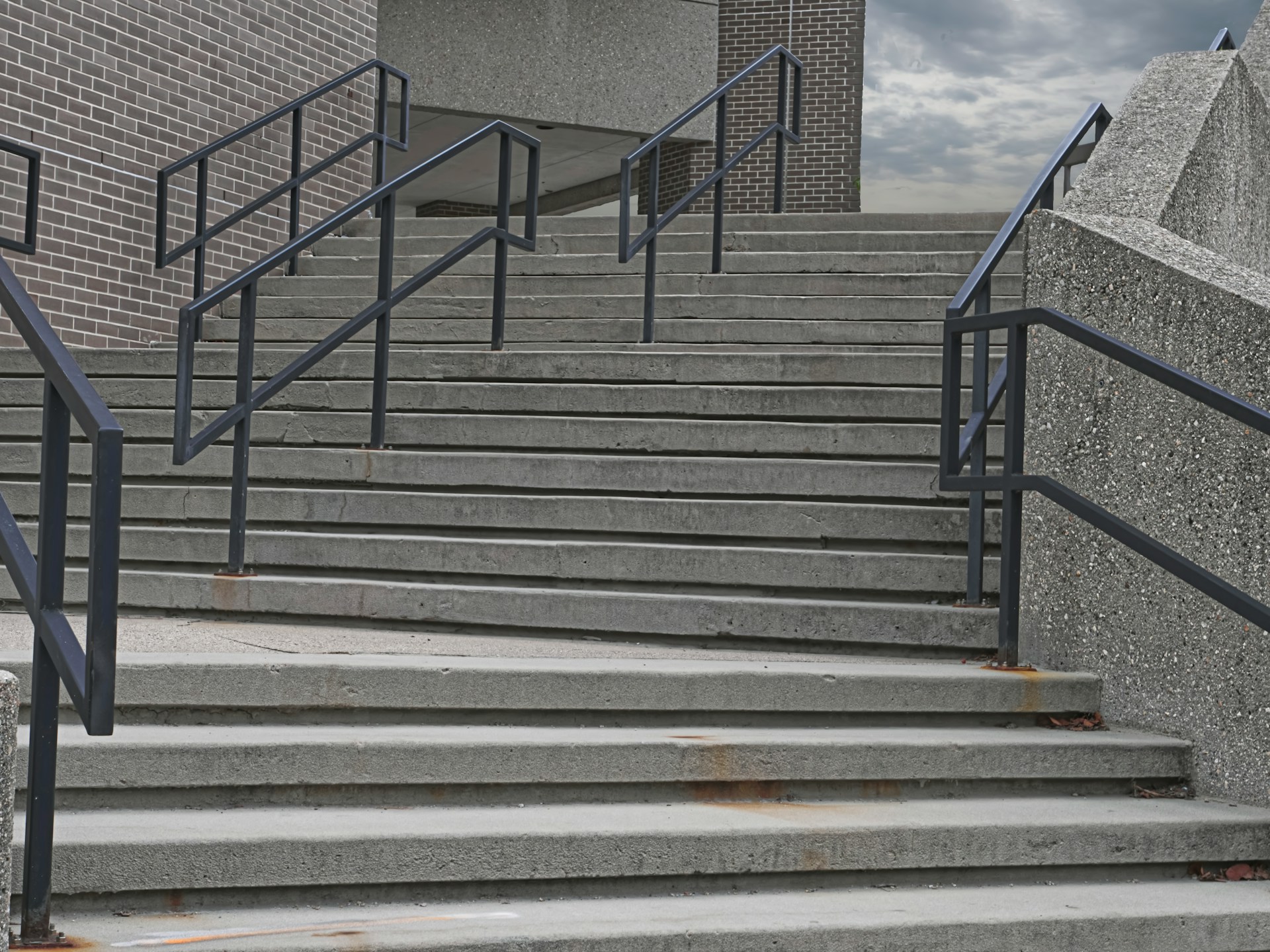
What Are the Types of Hand Railings for Concrete Steps
Railing for concrete steps are made using different materials. They have their advantages and disadvantages in durability, aesthetics, and maintenance.
Metal handrails made of wrought iron, aluminum, and steel, are popular, durable, and weather-resistant. Whereas wrought iron handrails and iron handrails give an elegant touch. Aluminum railings are lightweight, rust-resistant, and easy to maintain. Steel handrails offer robust support and can be leveraged for added protection against corrosion.
Wood handrails on outdoor cement steps have a natural and warm appearance and are common in residential properties. They can withstand the elements, but do require more maintenance than the metal railings.
Vinyl handrails are a cost-effective and low-maintenance alternative. They are resistant to weathering, do not rust or corrode, and are available in various styles and colors, making them versatile for different design preferences.
Outside railing offers support and safety on concrete steps while making the property visually appealing. It is important to consider environmental factors such as maintenance preferences and aesthetic appeal before making your choice. Here are some ideas for concrete step handrails.
Metal handrails for Concrete Steps
Metal railings for concrete steps are durable and safe. It offers stability while ascending or descending stairs, enhances accessibility and allows people can get to places safely. They come in different designs and aesthetics.
Aluminum Handrails for Concrete Steps
Aluminum handrails for concrete steps are lightweight and are known for their durability and resistance to corrosion. They are available in different sizes and finishes that allow them to be personalized to match the decor of any architectural or aesthetic preferences.
This variant of hand rails for concrete steps is easy to install and enhances safety by offering a comfortable grip. They are versatile and reliable.
Wood Handrails for Concrete Steps
Wood railings on concrete steps provide a visually appealing touch. Apart from its captivating looks, it is structurally reliable which makes it a popular choice for enhancing outdoor aesthetics.
Wood handrails are an eco-friendly choice for concrete staircase railing. Periodic cleaning will help prevent weather damage and ensure railing longevity.
Vinyl Handrails for Concrete Steps
Vinyl handrails for concrete steps are a practical and versatile option for improving the visual appeal of the property. They are made using durable PVC (polyvinyl chloride), and resists weathering, moisture, and UV rays.
Vinyl handrail for outdoor applications provides a comfortable handrail surface, and requires less maintenance and is easy to clean. This kind of handrail is available in different colors which allows home and business owners to pick a style that suits their preferences.
How To Build a Handrail for Concrete Steps
Concrete steps with railing are important for safety in both residential and commercial places and its proper installation is crucial to ensure stability and code compliance. The following are some basic guidelines for installing handrail for concrete steps. Depending on the scope of your railing project, you may want to consider a professional contractor who can provide expertise in installation.
Here’s how to install railing on concrete steps:
Getting Started with Assessment
The first step is to assess the handrail requirements. You have to make sure that the height, spacing, and materials meet local building codes and regulations. It is recommended to take into consideration the needs of the elderly, children, and mobility challenged individuals before starting your railing project.
Tools and Materials
Collect the following tools for your work:
- Drill and drill bits
- Level
- Tape measure
- Pencil or marker
- Anchors and screws appropriate for your chosen handrail and mounting surface
- Safety goggles and gloves
Mark the Locations
Get started by marking the location where the handrail posts are with a tape measure and pencil - 4' spacing between posts is recommended. You can use a level to make sure the railing is properly aligned.
Installing Brackets or Posts
You can install brackets and posts of the stair railing securely on the mounting surface using appropriate anchors and screws when installing wooden or metal handrails.
It is important to pre-drill pilot holes to prevent splitting wood or cracking concrete. You also have to make sure that the brackets are even and support the handrail securely. The handrail will be attached using screws or bolts once the bracket is in place. The level will be used to make sure that the handrail is straight and level throughout its length.
The next step is to tighten the screws of railings for cement steps but remember it should not be overtight as it could damage the railing.
Giving Final Touches
The last step for outdoor handrails for concrete steps is to test the stability of the system by applying gentle pressure. This step helps you in making any necessary adjustments to ensure stability.
Remember, safety first is a priority. A property owner can reduce the risk of an accident by selecting the right materials, following safety standards, and ensuring proper installation.