 Shopping Cart (



Homeowners often get confused and mix up stair terms just because they are closely related and sit together, even though they serve very distinct purposes. If you ever got involved in a conversation about “banister”, you may hear people referring to it as “balustrade” as if it’s the same thing, while in reality, they are different.
That’s why we’ve prepared this guide to clearly explain the difference between a railing and a banister, compare balustrade vs banister, and review their functions.
Let’s start with answering the most common question!
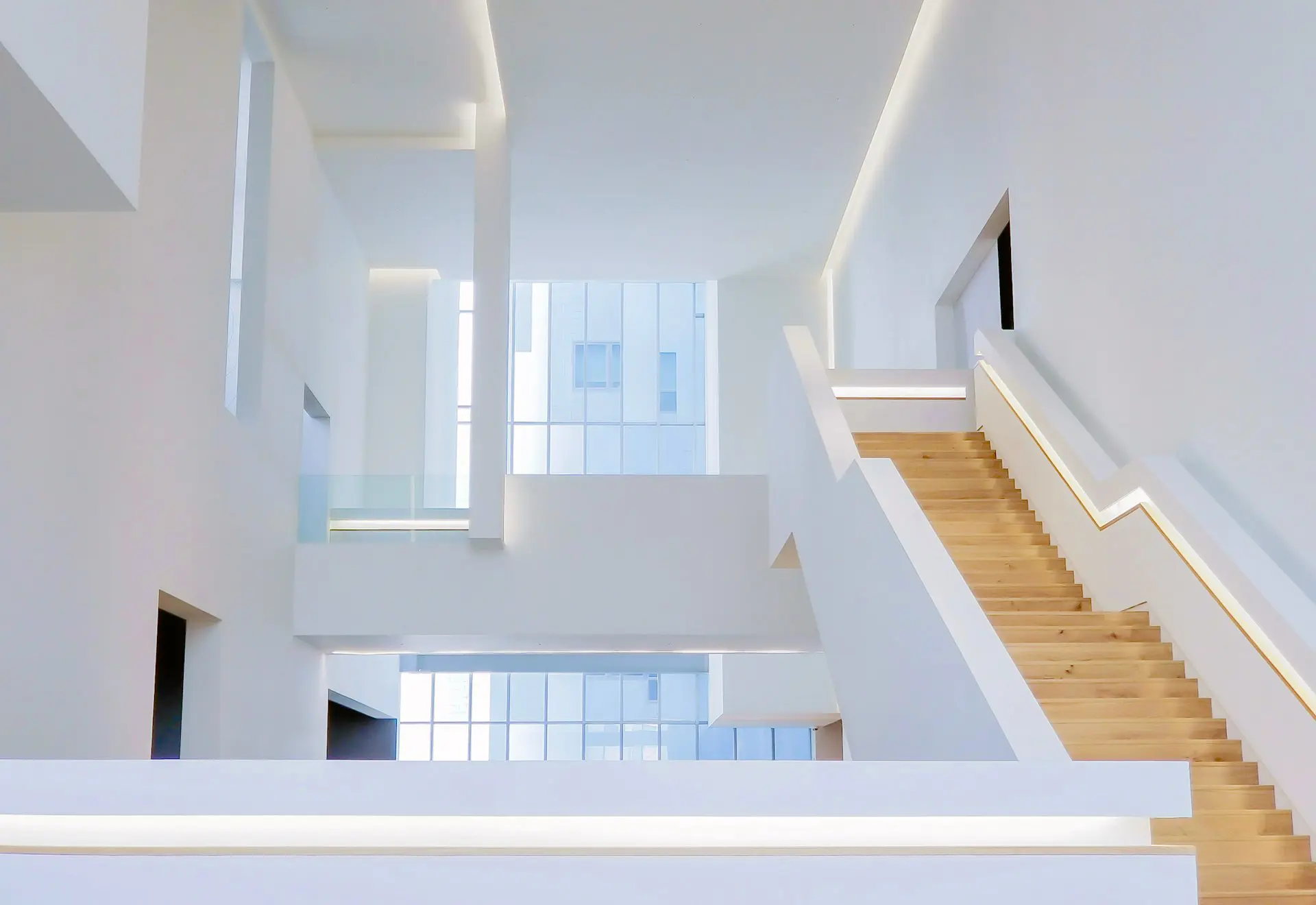
Is There a Difference Between a Banister, a Railing, and a Balustrade
Yes, the difference between banister, railing, and balustrade is as clear as day and night, and people often confuse them because they are part of the same structure. All these pieces work together to provide support and safety on a staircase, connected through stair parts that shape, position, and give it appeal.
Here is a simplified difference comparison:
- Banister: This is the part you hold when moving up or down the stairs, which runs along one or both sides of the staircase, with the main purpose of helping with balance.
- Railing: This is the broader structure that guides movement and ties into various railing designs, sometimes mounted directly to a wall or built into the stair frame.
- Balustrade: This is the full assembly is made of vertical posts, a top rail, and a bottom rail, creating a barrier that supports the stairs and shapes the look of the space.
Still unclear? You will see how they separate once we break down each term, where it sits, and how it affects both function and style.
What Is a Banister
So, what is a stair banister?
The banister is a part of the staircase that you hold while walking up and down, and the banister definition describes it as a “hand-grip”.
When people ask what a banister is, they are typically referring to the handrail on the open side of the steps. The definition of banister revolves around guidance, comfort, and safe movement.
What a Banister Does:
Here are the distinct purposes of a banister:
- The banister acts as the main grip surface, found on one side of the staircase or both sides, that you’re holding while climbing or descending.
- A bannister railing is crafted sturdy to withstand daily use and can be found in various materials, shapes, colors, and finishes.
- The banister railings are the main element of a staircase that shapes the appeal and also contributes to the required security.
|
Common Banister Materials: |
|
| Material: | Notes: |
| Wood | A wooden banister combined with other wood stair components brings warmth and is easy to match with classic interiors. |
| Metal | A metal banister is the strongest option, featuring low maintenance requirements and working with modern layouts. |
| Composite | The composite banister features a smooth finish, remains stable in different conditions, and matches modern tastes. |
| PVC | The PVC banister is a great option if you’re looking for something light and simple to clean. |
| Hybrid | The hybrid banisters are commonly a mix of wood and metal for a flexible, yet durable solution. |
Note: To remember the function of a banister when comparing bannister vs baluster, always remember that “banister” is the piece that ties the handgrip to the staircase.
What Is a Railing
To describe what railing is, we can say that this is the entire structure. The railing includes the banister and the balustrade within it, so you can’t really compare “railing vs banister”, as this refers to pretty much the same thing.
The railing is the broader structure that sits beside the steps or is mounted directly to a wall, shaping the boundary and creating a clear path. In simple terms, it forms the framework that supports the hand-grip and connects with other stair parts.
What a Railing Does:
- The railing outlines the safe edge of the stairs, forming the structure of the staircase, and provides safety for everyone climbing/descending.
- The railing structure is defined by the pieces within it, including rails, newel posts, balusters, handrails, anchors, and many more (design-based).
- The railing ties into a full railing system, whether it’s a porch railing system, staircase structure, or even a layout built around horizontal bar sections.
|
Common Railing Styles: |
|
| Style | Notes |
| Traditional Railings | Usees rounded shapes and smooth lines that fit classic interiors and pair well with natural materials. |
| Modern Railings | Features straight profiles and clean edges that highlight minimalism and open-space layouts. |
| Open Railings | Utilizes thin balusters or space pieces to bring this feeling of openness without blocking sight lines. |
| Decorative Railings | Includes carved details, patterned elements, or shaped accents that add visual presence to the staircase. |
| Mixed-Material Railings | The mixed materials railing usually combines wood and metal for ultimate durability and low maintenance. |
What Is a Balustrade
The balustrade is the full assembly that creates the protective barrier, but doesn’t refer to the handrail. You can hear the term “balustrade” in conversations about balconies, porches, and other elevated surfaces where protection is important.
The balustrade includes these vertical posts, “the term balusters”, as well as the top rail, bottom rail, and everything else that is involved in the installation. Sometimes people will reference a “balustrade handrail”, and by this, they often mean the entire structure or the “railing” itself.
What a Balustrade Does:
- The balustrade creates a protective frame that prevents people from falling through the side of the staircase.
- The balustrade, similar to the term “railing”, defines the boundary, connecting balusters or spindles with the rails for a finished enclosure.
- It completes the structure that sits beyond simple banisters and handrails, offering both support and visual presence.
|
Common Railing Types: |
|
| Type | Notes |
| Picket Balustrades | Features evenly spaced balusters or spindles, creating a classic upright pattern that fits both traditional and modern interiors. |
| Panel Balustrades | Offers solid or decorative panels between posts, giving more privacy and a defined boundary with consistent visual weight. |
| Cable Balustrades | Uses horizontal tensioned cables, offering a clean, minimalist look that keeps sight lines open while still forming a safe barrier. |
| Glass Balustrades | Has clear or frosted panels that create openness and allow light to pass through, often paired with slim top rail frames. |
| Carved or Decorative Balustrades | Uses shaped balusters, detailed accents, or traditional motifs, including elements like pomegranate flowers. |
You should now know the difference between baluster vs banister vs railing!
Banister vs Railing - What to Choose for Your Home
We’ve now learned exactly what a banister is, and the answer is simple – it is the hand support you hold while moving up or down, and it shapes how safe the staircase feels.
However, homeowners continue to compare stair railing vs banister when they plan upgrades, especially when they don’t fully understand these terms. A railing banister setup adds grip on stairs, while banister railings focus more on guidance along the edge.
If you want stair railings built from high-quality parts, you must look for solid construction and hardware that stays rigid under daily use.
BuyRailings.com offers options for both modern and traditional layouts, which help you match the structure to your home’s design.