 Shopping Cart (



Bars can vary in theme, style, layout, and menu, but authentic bars always have one key aspect in common: a bar foot rail or foot rest.
Whether you are visiting a commercial bar or setting up basement bars with your friends, this is one of the most important aspects of any bar design.
A bar foot rail (also referred to as a bar kick rail, bar step rail, or footrail) is a dedicated metal or wooden tubing assembly mounted along the base of the exterior of a bar counter.
It allows patrons to rest their feet while standing or seated on a bar stool, providing essential ergonomic comfort and reducing pressure on the lower back during prolonged standing.
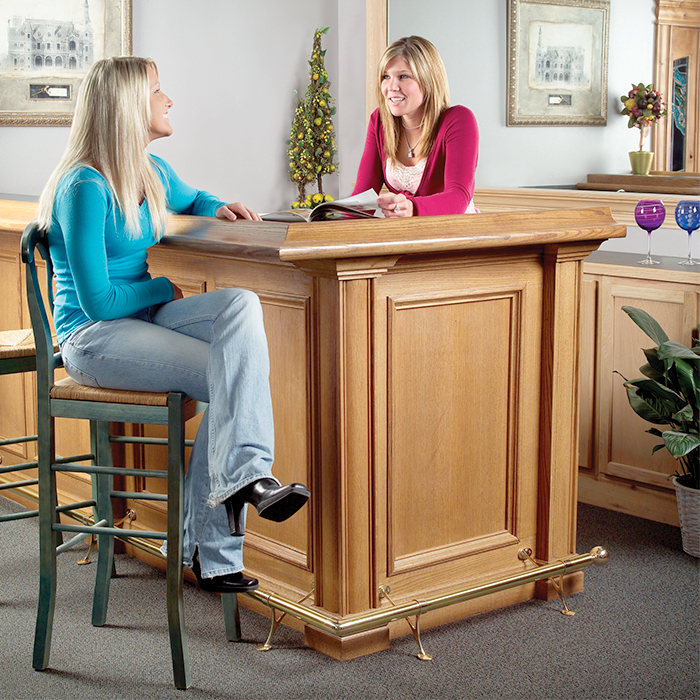
They can be made from a range of materials, such as stainless steel, brass, or even wood, and run along the side of the bar at about ankle height.
They can come in different styles, too, like a Chicago-style bar rail, with its own distinctive rail molding, and they have been around for years. However, experts are unsure of the exact origins of bar rails.
Some state that they have been around for hundreds of years, while others argue that it was not until the late 19th century that they really started to gain real popularity.
One of the common questions people have about bar rails, as well as questions about bar rail dimensions and bar rail installation, is why do bar rails even exist in the first place?
It is all about comfort and convenience. When you step into a bar, you will notice that many people spend a lot of their time at the bar itself.
They place their orders at the bar and often choose to drink there too, a common practice throughout history.
The bar top is well-designed to let people rest their elbows and arms, but standing in one place for too long without being able to move or rest their feet can be problematic.
Therefore, bar rails were created to allow bar patrons to lift one foot at a time and place it on the rail, finding relief and comfort from the pressure of standing still for so long. A comfortable patron is a happy patron, and that is good for business.
Standard Bar Foot Rail Dimensions: Height and Depth
Other common questions people have about bar rails often involve bar foot rail height and depth. Many people want to know how big these rails are and how high they should be installed.
To maximize patron comfort and maintain standard architectural clearances, follow these precise bar foot rail dimensions:
- Bar Foot Rail Height From Floor: Standard bar foot rail height is about 6 inches. The bar rail height is measured from the floor to the center of the tubing. So, this means that the center of the rail should be about 6 inches off the ground to provide the best comfort for the bar patrons.
- Bar Foot Rail Distance From Bar: As well as bar foot rail height, it is also important to understand bar rail depth. Standard depth is about 6 to 7 inches away from the bar itself. Again, this is measured to the center of the tube, so there should be about 6 to 7 inches of distance between the flat bar surface and the middle of the rail.
Bar Foot Rail Buying Guide
Ready to finalize your bar layout? Selecting the correct components ensures maximum structural integrity for your space.
This buying guide helps you navigate the two essential decisions: choosing the right mounting hardware and selecting the ideal aesthetic finish.
1. Choosing Your Brackets
Your choice of bracket determines how the weight load is transferred and where the rail is positioned. All BuyRailings brackets support standard 2-inch diameter tubing.
- Combination Bracket: This versatile support anchors simultaneously to the floor surface and the front face of the bar. This dual-mount design provides the highest weight capacity and structural stability, ideal for busy commercial environments.
- Bar Face Mount Bracket: This traditional option secures the foot rail exclusively to the front vertical surface (the face) of the bar counter. This offers a clean look and allows the rail to sit completely above the floor, facilitating easy cleanup.
- Floor Mount Bracket: These brackets secure the rail directly to the floor, independent of the bar counter. They are an excellent solution for custom island designs where anchoring to the cabinetry isn't feasible.
2. Selecting the Best Finish
Because bar rails are positioned at ankle height and endure heavy foot traffic, durability is just as critical as aesthetics.
- Polished Brass: The timeless choice for traditional pubs, brass offers an elegant, luxurious sheen. Polished brass requires periodic polishing with a specialized metal cleaner to maintain its mirror finish; otherwise, it will naturally develop a custom patina over time.
- Stainless Steel: The dominant choice for modern commercial spaces and outdoor installations is stainless steel. BuyRailings uses grade 304 or 316 steel, offering extreme durability and resistance to moisture, corrosion, and heavy cleaning agents. Available in polished (mirror) and satin (brushed) finishes.
- Black Powder Coat: A matte black finish provides a contemporary, understated look. It is highly resistant to scratching and scuffing, making it an excellent low-maintenance alternative for high-traffic DIY installations.
3. Finalizing the Hardware Components
A complete bar foot rail system requires three core components. Ensure your bill of materials matches the length and layout of your space:
- Tubing: Our heavy-gauge metal tubing is sold in various stock lengths and can be easily field-cut or spliced using internal connectors to reach your exact length.
- Brackets: Plan for one bracket every 3 to 4 feet to prevent sagging under weight.
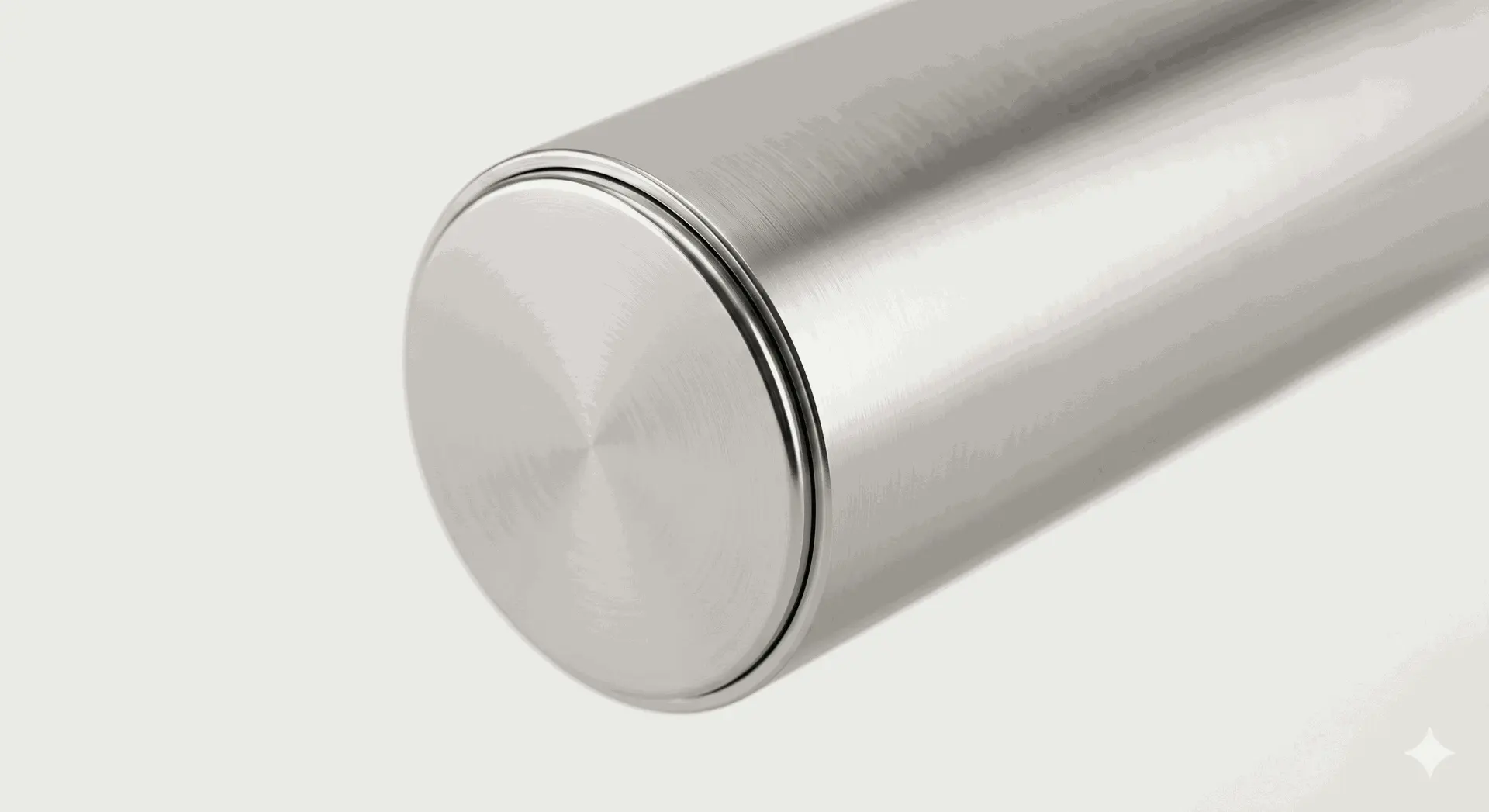
- End Caps: Seal every open end with a decorative flush end cap (for a modern look) or a domed cap (for a traditional profile) to ensure a safe, finished edge.
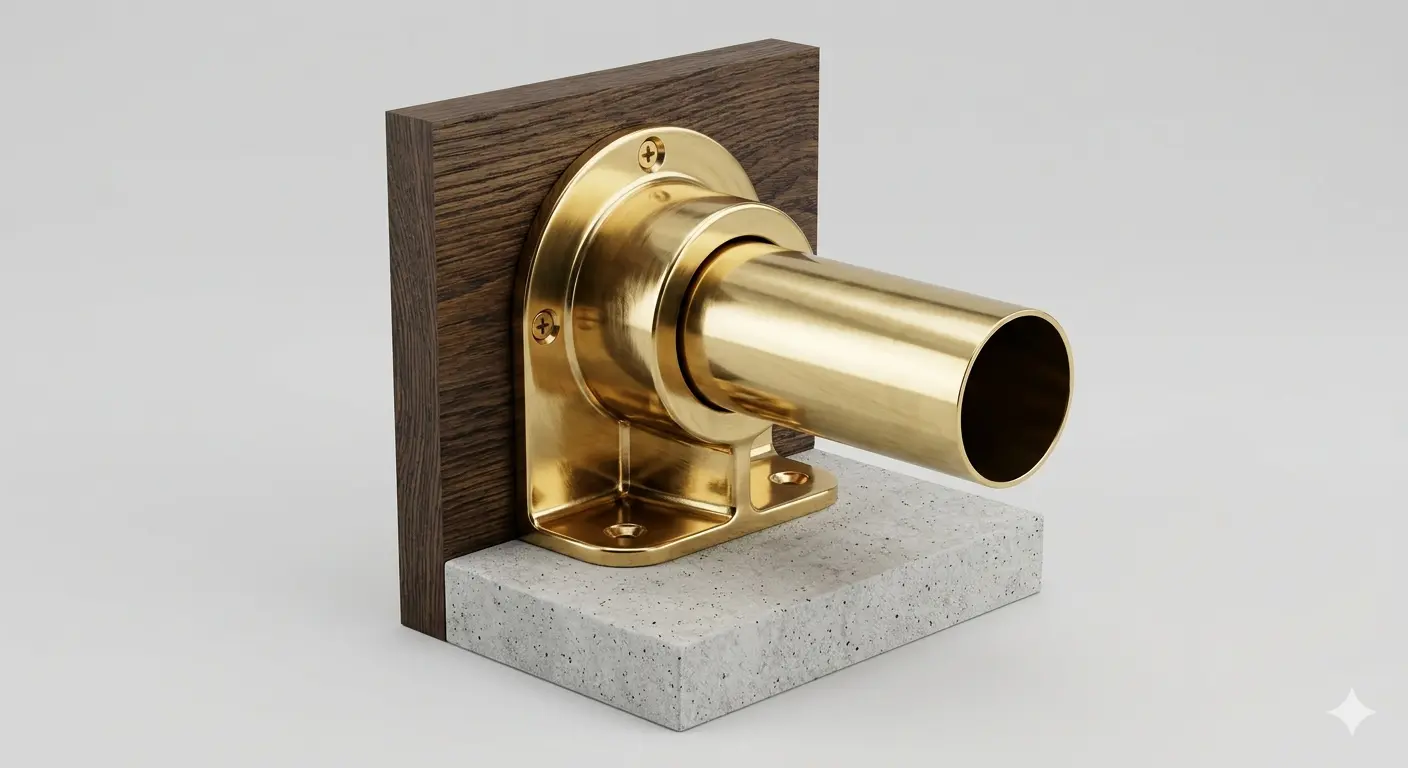
Bar Foot Railing Mounting Options and Brackets
A bar foot rail consists of two main parts: the rail itself and the mounting brackets. You can find all kinds of different bar mount brackets to secure your system:
- Combination Brackets: Brackets that connect to both the face of the bar and the floor for maximum structural weight support.
- Wall Flanges & Angle Flanges: Clean mounting options that run the tubing directly into a side wall or cleanly secure the rail ends.
- Floor Mount Brackets: Brackets that anchor directly into the floor surface, completely independent of the bar face.
Mounting brackets are available in a wide variety of styles and materials, from brass to steel. Cheap bar rail ideas may use simple brackets, while more expensive bar rails can use more elaborate, elegant brackets.
How to Choose the Right Foot Rail: Material and Design Ideas
Whether you are opting for a Chicago-style bar rail or a more traditional one, it is important to choose the right rail for your installation.
Bar rails are all relatively similar in function, use, and size, but they differ greatly in aesthetics and style.
Try to pick one that appeals to your tastes and fits well with other elements like the bar itself, any decorations you may have, and the bar stools.
When gathering bar foot rail ideas for your project, consider how the environment dictates the material choice:
- Traditional Aesthetics: A wooden bar rail will work well for more traditional, old-fashioned bar trim ideas. Those with extensive woodworking and DIY experience may even be able to make their own bar rail molding. You can find bar foot rail ideas online, then carve out a molding to suit your style, adding matching radius corners at the edges and other features, like a distinctive handrail end cap, to give your molding a unique look.
- Modern Environments: Steel bar rail ideas can be more modern and sophisticated. Industrial layouts benefit greatly from a black-pipe bar footrail setup, while polished brass offers a timeless, high-end pub feel.
- Alternative Spaces: If you are building a custom foot rail for a kitchen island or setting up an outdoor bar foot rail, stainless steel is highly recommended for its moisture resistance and easy cleanup. The key is to choose the right rail that matches the rest of your bar's aesthetic.
How to Install a DIY Bar Foot Rail
If you are considering setting up your own basement bar or commercial bar, you could save money on the setup by starting your own diy bar foot rail project.
Creating and installing your bar foot rail on your own is relatively easy, as long as you have some DIY experience and can handle tools and follow instructions.
Many bar owners choose to make their own foot rail, and you can find various DIY bar foot rail ideas shared online by other bar owners and DIY experts. To complete the installation, follow these core steps:
- Gather Your Tools: You will typically need a drill, screwdriver, tape measure, saw, file, and pliers.
- Measure and Space: Measure the bar beforehand and space your foot rail brackets properly (typically every 3 to 4 feet, and within 6 inches of any railing end cap).
- Secure the Brackets: Mount the brackets at the standard 6-inch height from the floor to the center of the tube.
- Slide and Cap the Tubing: Run the bar rail tubing through the brackets, tighten the set screws, and place a handrail end cap on open ends for a clean, safe finish.
This can be worth it if you're looking to save money, but it may also be wiser to ask a professional for help if you feel you lack the experience or expertise for the project.
Frequently Asked Questions
How high should a bar foot rail be from the floor?
The standard height for a bar foot rail is 6 inches from the floor to the center of the rail tubing. This height provides optimal ergonomic posture for both seated and standing guests.
How far should a foot rail be from the bar?
A bar foot rail should sit 6 to 7 inches out from the front face of the bar counter. This spacing is measured from the bar surface to the center of the tube, ensuring enough clearance for a shoe heel without causing a tripping hazard.
How many bar foot rail brackets do I need?
As a general rule for structural weight-support standards, you should place a mounting bracket at each end of the rail (within 6 inches of the end cap) and add an intermediate support bracket every 3 to 4 feet along the length of the tubing to prevent sagging under load.
Can you install a foot rail on a kitchen island?
Yes. A kitchen island foot rail uses the exact same components and dimensional rules (6 inches high, 6–7 inches out) as a commercial bar, making it an excellent upgrade for home entertaining spaces.
Ready to Build Your Setup?
Eliminate the guesswork from your installation. Browse our complete selection of commercial-grade components and find the perfect, easy-to-install bar foot rail kit at BuyRailings.