 Shopping Cart (




There are a few architectural elements that can instantly introduce a sense of structural warmth, organic character, and timeless design to a space, like a wooden stair railing.
Whether you are gathering design inspiration for structural wooden stair railings for a luxury home depot residential overhaul or sourcing rugged, weather-hardened outdoor wooden stair railings for a commercial deck, wood remains one of the most flexible and load-bearing materials in modern construction.
However, a major point of failure for many contractors and DIY builders is selecting an incorrect wood species for the operating environment or failing to meet specific geometric building codes.
This comprehensive engineering guide provides the technical specifications, wood anatomy metrics, and structural regulations required to design and install code-compliant wooden stair railings for indoor and outdoor applications.
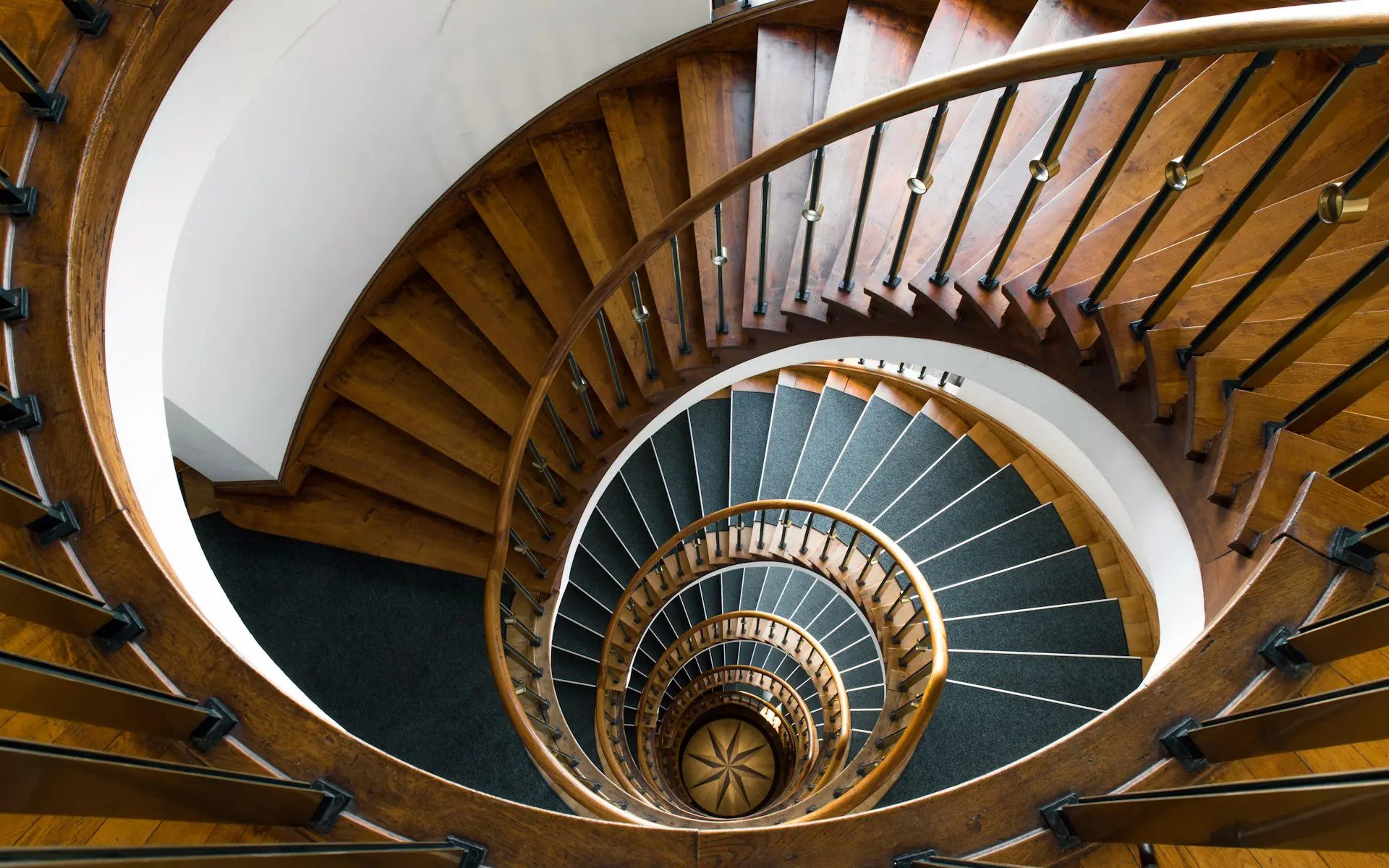
Core Architectural Definitions
What is a Banister?
A banister is the primary horizontal or sloped structural handrail component designed to be gripped by hand for stability while traversing a stairway. It serves as the top capping element of a complete protective barrier assembly.
What is a Baluster?
A baluster (historically referred to as a spindle) is an individual, vertical load-bearing post or infill column that stands between the stair treads and the handrail profile. It provides structural support to the banister and acts as a physical barrier to prevent falls.
What is a Balustrade?
A balustrade is the complete, fully integrated structural system comprising the handrail (banister), the vertical support posts (balusters), the base shoes, and the heavy-duty anchor pillars known as newel posts. It refers to the entire protective structural framework as a whole.
Structural Building Codes & Safety Regulations
When putting up a railing, guessing the dimensions will result in a failed inspection and serious liability hazards. Below are the definitive regulations established by national building safety standards.
The Standard Height for a Stair Railing
To achieve full accessibility and structural code compliance, the vertical height for all wood handrails for indoor stairs and outdoor steps must be set precisely between 34 and 38 inches ($86\text{ to }96\text{ cm}$). This measurement must be taken vertically from the leading edge or "nose" of the stair tread up to the absolute top surface of the wooden banister rail.
The 4-Inch Sphere Rule for Railings
The 4-inch rule for railings is an absolute safety constraint designed to prevent small children from slipping through guardrail infill. Code dictates that the clear spacing between intermediate vertical balusters or structural wooden handrail brackets must be tight enough that a 4-inch diameter sphere cannot pass through the gap at any point.
Material Metallurgy: The Janka Hardness Scale
When evaluating the best wood for stair railing setups, you must look beyond surface-level aesthetics and analyze the lumber's mechanical density.
This is quantified using the Janka Hardness Scale, which measures the force required to embed a 0.444-inch steel ball halfway into the wood substrate.
Choosing a species with an inadequate Janka rating in high-traffic wooden stair railings and interior systems leads to premature surface denting, deep scratches, and structurally loose fittings over long-term operation.
Comprehensive Wood Species Sizing & Performance Chart
| Wood Species | Janka Hardness Rating | Recommended Application Environment | Structural Strength Profile | Average Price Metric |
| Red Oak | 1,290 lbf | High-Traffic Interior / Standard Home Depot DIY | High density, pronounced grain pattern, resists deep impact | (Highly Budget-Friendly) |
| Maple | 1,450 lbf | High-Traffic Interior / Indoor wooden Stair Railing kits | Ultra-dense, uniform closed grain, exceptional paint absorption | (Moderate Premium) |
| Cherry | 950 lbf | Low-Traffic Interior Accent Rails / Traditional Design | Medium density, rich natural aging luster, prone to soft scratching | (Luxury Tier) |
| Walnut | 1,010 lbf | Interior Custom Architectural Feature Rails | Medium-hard, premium dark chocolate hue, excellent dimensional stability | (High Premium) |
| Mahogany | 1,220 lbf | High-End Interior / Sheltered Luxury Entrances | Exceptional rot resistance, dense straight grain, stays highly level | (High Premium) |
| Cedar | 580 lbf | Standard Outdoor Wooden Stair Railings / Porches | Softwood, natural aromatic decay-resistant oils, prone to impact wear | (Highly Budget-Friendly) |
| Ipe | $3,680 \text{ lbf}$ | Heavy-Duty Wooden Deck Stair Railings / Commercial | Extreme density, commercial fire-rated, completely impervious to rot | (Ultra-Premium) |
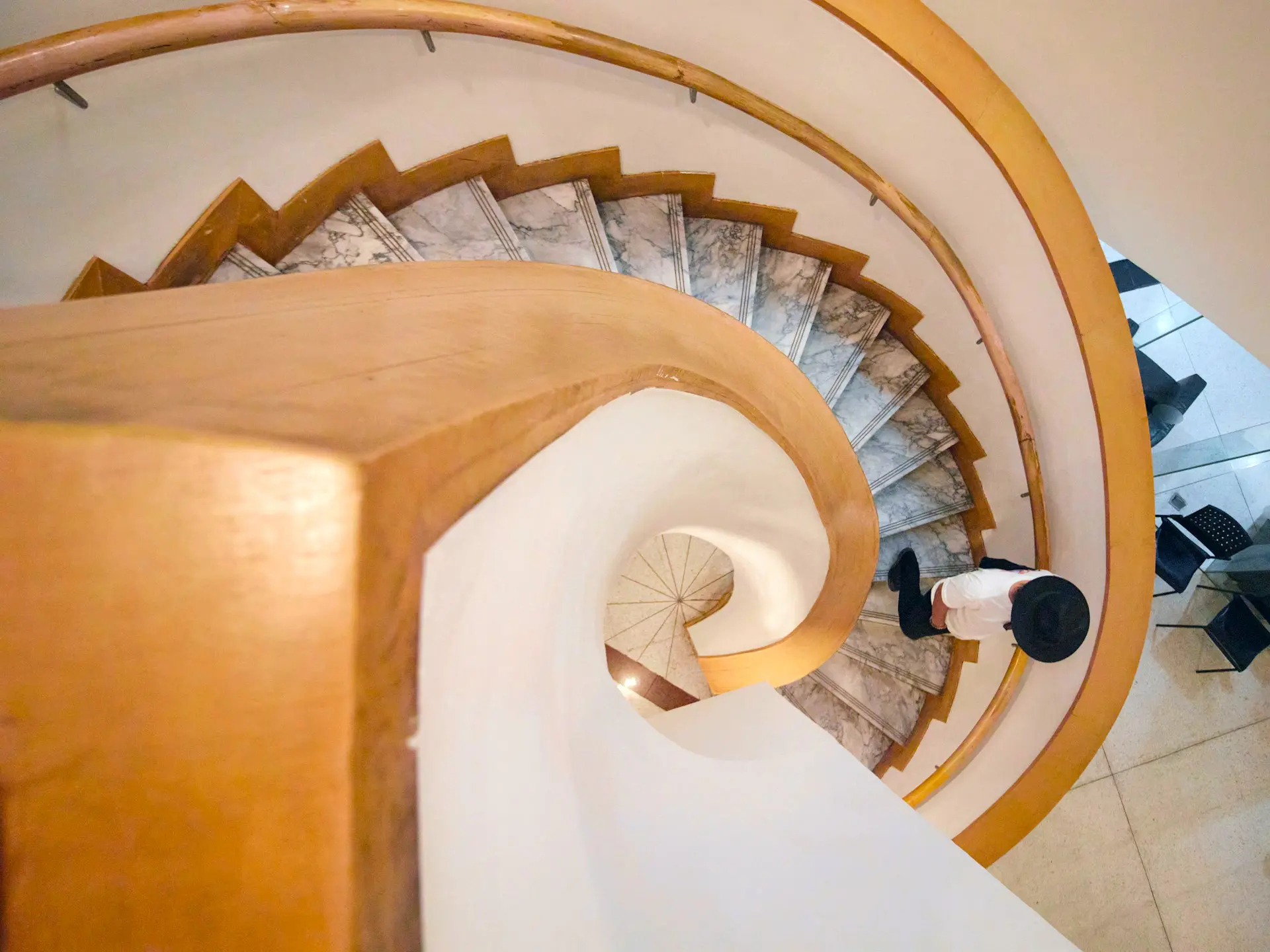
Architectural Distinctions: Indoor vs. Outdoor Engineering
The clear difference between an indoor setup and an outdoor wood stair railing lies entirely in moisture mitigation and UV protection.
Wooden Stair Railings Indoor Systems
Interior configurations prioritize ergonomic handgrip, seamless joinery, and a fine-sand finish. Because they operate in climate-controlled environments, they do not require anti-fungal chemical treatments.
This allows for the selection of tightly-grained hardwoods like Maple or Walnut that can be incorporated into pre-packaged best indoor stair railing kits canada or custom architectural packages.
Outdoor Wooden Stair Railings Systems
Exterior setups are locked in a continuous cycle of thermal expansion and contraction. Standard hardwoods will warp and split within 12 months if left unsheltered. Therefore, wooden deck stair railings must utilize either:
- Pressure-Treated Lumber: Infused with chemical copper azoles to resist fungal decay and wood-boring insects.
- Exotic Marine Hardwoods: Species like Teak or Ipe, which feature a cell structure so dense that moisture cannot physically penetrate the grain fiber.
Material Hybridization: Wood and Metal Stair Railing Systems
For high-end commercial spaces or modern residences seeking contemporary interior stair railing ideas, a 100% wood assembly can sometimes feel visually heavy.
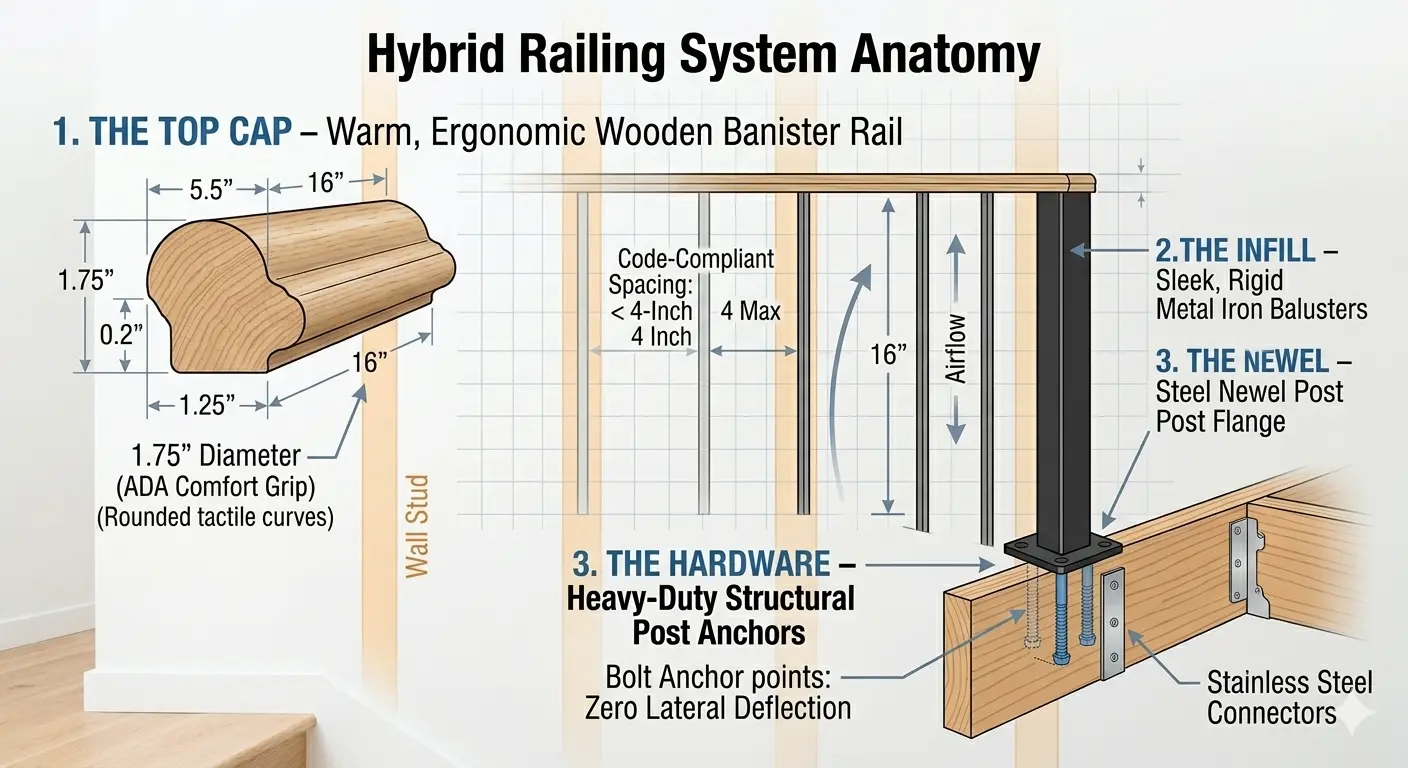
The industry standard for combating this is to combine a warm, tactile wooden handrail with a rigid, high-tensile wood-and-metal stair-railing framing matrix.
Using the structural versatility of Hollaender speed rail fittings and stainless steel or powder-coated aluminum posts to handle the sheer loads at the newel locations allows you to run a sleek wooden top rail that softens the commercial environment.
This hybridization ensures maximum rigidity for demanding layouts, such as an open riser or a modern spiral wood-stair railing system.
Step-by-Step Installation & System Alignment
If you plan to execute this installation yourself using modular components, follow this strict sequence to ensure full safety compliance.
An often overlooked aspect of a premium wood staircase installation is how the treads meet the wall substrate. To mask structural expansion gaps and defend your drywall against heavy scuffs, read our complete tutorial on choosing and installing a skirting board for a staircase.
Step 1: Establish the Architectural Guideline
Locate the exact height boundary ($34\text{ to }38\text{ inches}$) by measuring straight up from the front nose of your stair treads. Mark this point at the top header and bottom foot of the stairwell, and snap a high-visibility chalk line between the two markers.
Step 2: Solid Framing Engagement
Never anchor a load-bearing handrail directly into hollow drywall or plaster. Use a heavy-duty stud finder to map the vertical wall studs behind the substrate along your chalk line path. Mark the exact center line of each wood stud.
Step 3: Hardware Securement and Spacing
Align your square handrail brackets or structural wall brackets with your marked stud centers. Adhering to the standard handrail bracket spacing code, place a bracket every 3 to 4 feet along the length of the run. Drill precise pilot holes to prevent the wall stud from splitting, and drive heavy-duty wood screws completely home.
Step 4: Mounting and Underside Fastening
Lay your pre-cut wooden railing profile flat on top of the bracket cradles. Check alignment with your chalk path, then secure the rail firmly from underneath using structural self-tapping screws driven into the wood substrate.
Engineering Your System with BuyRailings
Building a secure, code-compliant, and visually stunning wooden stair railing system is not a project to be left to guesswork. It requires precise mathematical calculations, careful material analysis, and, perhaps most importantly, the appropriate structural hardware to bond the entire system.
By integrating the expert guidance and structural components available from BuyRailings, you can transform a standard stairway into an enduring architectural feature.
We supply heavy-duty handrail brackets, stainless-steel newel posts, and advanced structural fasteners to ensure your installation meets the highest engineering standards.
Ready to elevate your stair railing project?
- Contractors and B2B Buyers: Explore our high-load Commercial & Modular Railing Systems catalog now.
- Residential Renovators: Browse our complete Handrail Hardware subcategory to find the perfect anchor profile for your custom species.
- Need expert support? Request a personalized hardware consultation from the BuyRailings team by visiting our Contact Page.
Don't settle for substandard aesthetics or questionable safety. Build a system that will last for decades.