 Shopping Cart (



The front porch railing goes far beyond safety by providing a standout detail and shaping the home's center point of view. It defines the first impression, and choosing the right material can easily transform your front porch into something that draws attention and provokes admiration.
We know that with so many railing options available, it can be quite challenging to determine which one suits your circumstances best. So, learning what is the best material for porch railings in many cases feels like a straightforward deal, and in others, a challenging hurdle to overcome.

This quick guide will walk you through what’s popular on the market:
- Metal porch railings
- Vinyl porch railings
- Wrought iron porch railings
- Cable porch
- Wooden porch railings
- Aluminum porch railings
- Composite porch railings
After this guide, you’ll find out exactly which one suits the home’s aesthetic and budget, helping you identify the best material for porch railings for you.
Metal Porch Railings
There aren’t many other materials that can overcome the metal porch railing when it comes to something that will last. So, if you’re going for something minimalistic and you are looking for strength and durability, metal railings for a porch fit perfectly.
Ideal Use Case
When it comes to an ideal use case, the metal porch railing fits perfectly in homes with modern design and even brings appeal to classic environments. Another important thing to know about the metal porch railing is that this material withstands fluctuations in temperature, hence it is a solid choice for a modern front porch railing in a four-season climate.
The metal is quite a harsh material, but this shouldn’t deceive you that it can’t be a decorative porch railing with curves and scrollwork. Exactly the opposite – metal railing is an ideal match for porch and stair railings where safety and look matter.
| Metal Railing for Porch | |
| Pros: | Cons: |
| This material is exceptionally strong and weather-resistant. | The metal railing can get hot to the touch under direct sunlight. |
| A lot of choices, from contemporary porch railings to ornate porch wrought iron railings. | It might rust if not properly coated or maintained. |
| The metal railing offers a solid feel and longevity. | Metal is heavier than other materials, requiring sturdier installation. |
| Fits well with most railing panels, bottom rails, and cable railing kits. | Metal railings are typically more expensive upfront than wood. |
Vinyl Porch Railings
The vinyl porch railing is an excellent choice if you’re looking for something that will bring a kind of brightness, cleanliness, and most importantly, low maintenance. The vinyl porch railing would be a great choice if you’re looking for a front porch railing or outdoor porch railing that never has stains or fingerprints.
Ideal Use Case
Vinyl would be perfect for any homeowner who wants a hands-off approach after the installation of the outdoor porch railing. The vinyl railing works great in humid environments and is widely popular among coastal homes, where other front porch railing options, like a wood porch railing, won’t last long.
With vinyl, the already-assembled railing kits and picket rail systems make it extremely easy for you to start your first DIY porch railing project.
| Vinyl Railings | |
| Pros: | Cons: |
| Vinyl is straightforwardly maintenance-free and always fresh. | Vinyl is less customizable than wood or metal railings. |
| The vinyl material is rot-resistant, and it doesn’t peel or fade. | The vinyl material can crack in extreme cold temperatures. |
| Works with rail system, bottom rail, and deck railing setups. | The synthetic look of vinyl may feel less natural. |
| The vinyl railings are lightweight and easy to install. | Vinyl doesn’t last as long as metal or wood materials. |
Wrought Iron Porch Railings
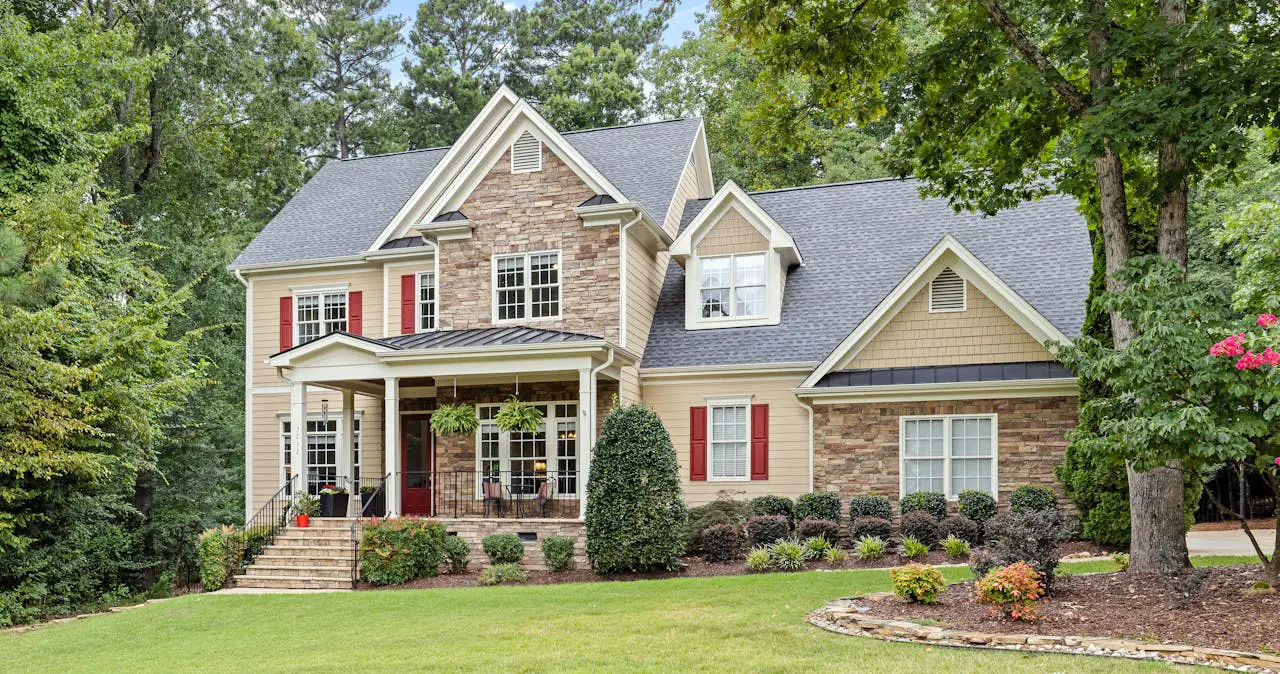
The wrought iron porch railings are recognized by their elegant design and truly appealing look, combined with outstanding strength. With custom wrought iron, you can create a mesmerizing black porch railing that elevates the look of your front porch.
Ideal Use Case
If you are looking for a design that can be both durable and fit a stylish home, then the porch wrought iron railings are the way to go. It works amazingly with craftsman-style porch railings and also fits balcony railings where longevity is a priority.
| Wrought Iron Railings | |
| Pros: | Cons: |
| Wrought iron is extremely strong and offers unmatched longevity. | Wrought iron can be expensive upfront compared to other materials. |
| Wrought iron provides a classic and elegant look. | This material is heavy and requires sturdy installation. |
| It supports railing panels and railing kits for custom designs. | Wrought iron needs periodic maintenance to prevent rust. |
| Works well with coated finishes and decorative designs | It can be difficult to modify once installed by inexperienced homeowners. |
(Wire) Cable Porch Railings
The cable porch railing defines minimalism. It provides an open and airy feeling that does not obstruct your view, making it perfect for coastal homes.
The wire porch railing is safe, even though it does not seem like it, but it has to meet all the building codes to be secure for pets and children.
Ideal Use Case
The ideal use case for modern front porch railing with wire or “cable” would be for decks or any elevated areas where design matters. The cable railing works beautifully as a balcony railings, or environments where “openness” is a priority.
| Wire Porch Railings: | |
| Pros: | Cons: |
| The cable railing provides unobstructed views and a modern look. | The cable railing requires precise installation and annual check-ups. |
| The cable offers a low-maintenance and durable design. | The cables may need tension adjustment over time. |
| Works with the bottom rail and modular railing kits. | The cable railing can feel less traditional than wood or iron. |
| Cable railing is ideal for deck railing and railing panels. | Limited decorative options compared to wrought iron. |
Wooden Porch Railings
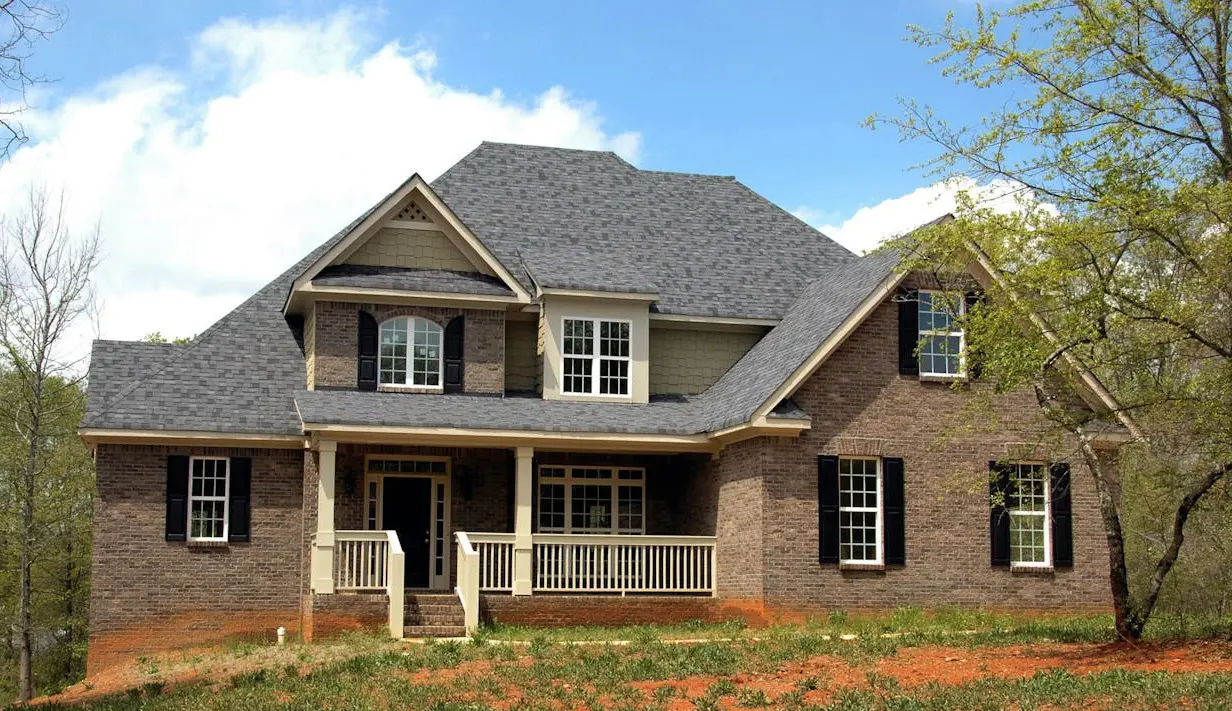
The wood porch railing will surely bring some warmth to your front central point. Wood as a material is undoubtedly versatile when it comes to customization. With the right finish, wooden porch railings can last for decades without much maintenance.
Ideal Use Case
The perfect use case for wooden porch railing would be those of you who want to achieve an organic feeling and a welcoming environment. It works great with craftsman porch railing or even black porch railing with white columns.
| Wooden Railings: | |
| Pros: | Cons: |
| The wood material has a natural and warm appearance. | Wood requires regular maintenance (staining/sealing). |
| Wood can easily be customized and painted, bringing some personalization. | Wood is susceptible to rot and insect damage |
| Works with railing panels and bottom rail designs. | Wooden railing can warp or crack in extreme weather. |
| The wood material is versatile for deck railing and balcony railing. | Wood is definitely heavier than vinyl or composite options. |
Aluminum Porch Railings
The aluminum porch railing is truly amazing because it uses the strength of a metal, but also offers lightweight real estate, which is easy to install. Aluminum is popular as a material for railings because it can mimic metal porch railings or iron porch railings while being completely resistant to rust and corrosion.
Ideal Use Case
The best use for aluminum railings is in modern front porch railing installations where weather resistance is a must. Aluminum doesn’t get hot under direct sunlight, hence you would mainly find it on hotel balconies. beach houses, and office buildings.
| Aluminum Railings | |
| Pros: | Cons: |
| The aluminum railings are lightweight and easy to set up. | The aluminum material is softer than metal and can dent if struck hard. |
| Aluminum as a material is completely rust- and corrosion-resistant. | Aluminum is less traditional than wood or wrought iron. |
| Works with railing infill panels, rail system, and bottom rail | The aluminum material has limited color options compared to vinyl. |
| Aluminum railings don’t require a lot of maintenance, but wiping spots. | Aluminum can feel less solid than steel or iron. |
Composite Porch Railings
The composite porch railings offer the look of wood, but require significantly less maintenance, which makes them an ideal choice for many front porch railing designs. With composite railings, you can even imitate porch railings in vinyl.
They are very durable, they don’t crack, bend, or fade, and pair perfectly with many other railing ideas, allowing you to go full-on personalization.
Ideal Use Case
The composite railings are ideal for homeowners who prefer a porch railing that combines the natural and welcoming look of wood, while being moisture and sun-resistant. In short, if you want wooden railings that will last, it’s worth exploring composite options.
| Composite Railings: | |
| Pros: | Cons: |
| The composite material requires low maintenance and is weather-resistant. | Composite material has a higher upfront cost than vinyl or wood. |
| Composite railings look like natural wood without staining. | Composite can sometimes be heavier than vinyl and wood. |
| Works with railing panels, composite deck railing, and bottom rail. | It has limited color and design options compared to metal |
| The composite railings are long-lasting and very durable. | It can expand or contract slightly with temperature. |