 Shopping Cart (



Staircases are no longer treated as purely functional backdrops. Modern residential architecture views the stairwell as a primary structural statement, the definitive element that establishes a home’s design identity the moment someone steps through the front door.
Current interior styles prioritize clean lines, rich material contrasts, and structural transparency. Safety components are now seamlessly integrated into the overarching interior design, transforming functional handrails into minimalist architectural features.
Whether you are planning a complete remodeling project or researching fresh banister design ideas for 2026, this guide breaks down the defining materials, styles, and finishes shaping modern spaces.
Defining Materials for Modern Interior Railings
Selecting the right material framework drives both the visual aesthetic and the long-term durability of your stairwell. Modern installations frequently move away from single-material structures, opting instead for mixed-material systems that offer superior stability and texture.
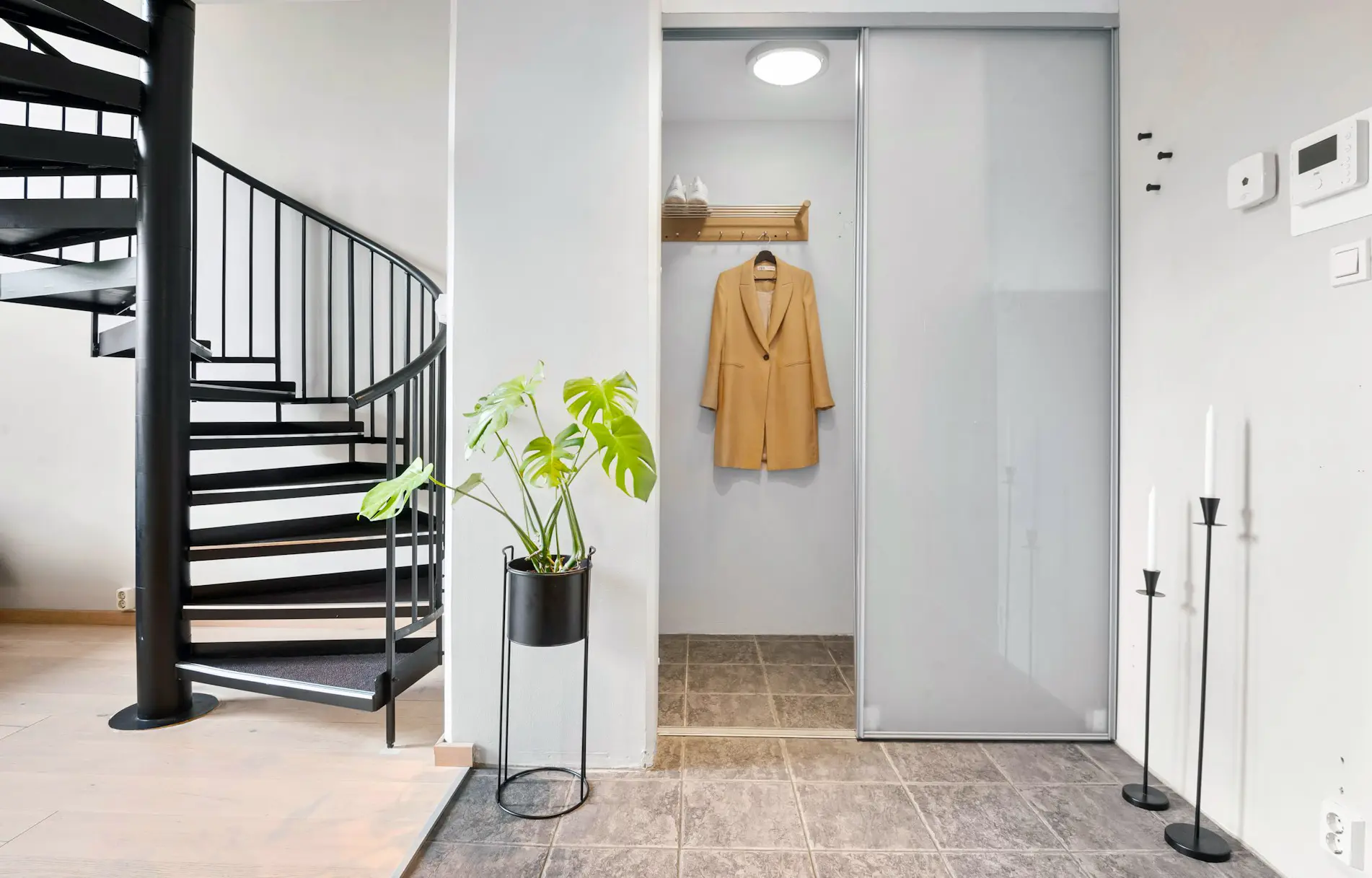
- Architectural Metal: Industrial steel and lightweight aluminum remain the gold standard for high-traffic modern homes. Matte black, brushed stainless steel, and satin brass metal configurations provide exceptional structural strength while maintaining incredibly slim, low-profile visibility.
- Tempered Glass Panels: An exceptional solution for maximizing natural light penetration across split-levels and open floor plans. Heavy-duty tempered glass panels open up sightlines, making narrow hallways or compact entryways feel significantly larger.
- Warm Premium Hardwoods: Instead of heavy, traditional colonial posts, modern wood applications focus on clean, linear geometry. Incorporating premium oak, walnut, or maple top rails balances the crisp, cold look of metal and glass with welcoming organic textures.
- Marine-Grade Cable Infill: Cable railing systems serve as a popular alternative to glass for homeowners seeking an airy, open layout. Utilizing high-tensile stainless steel cables maintains continuous visibility while delivering a distinct structural edge.
Wood and Glass Staircase Railing Market Trends
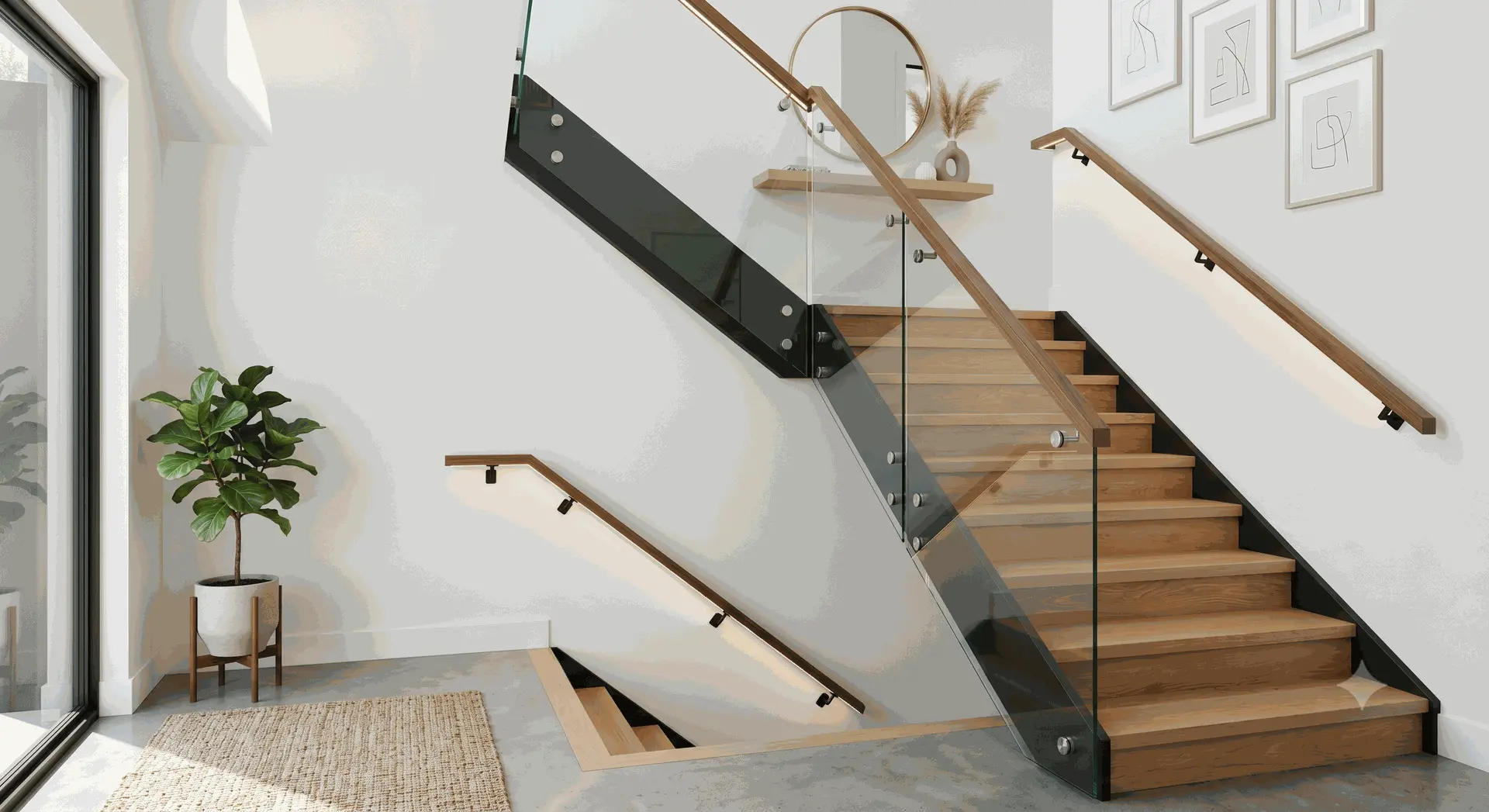
One of the fastest-growing movements in modern interior architecture is the seamless combination of organic elements and transparent barriers. Current design layouts show a strong preference for pairing rich, natural-wood posts and top rails with minimalist glass-panel systems.
This approach delivers the ideal balance for contemporary homes, providing the structural warmth of traditional wood framing while allowing unobstructed views and light flow. By integrating sleek metal mounting clips or channel shoes, builders can achieve a clean, luxurious aesthetic that perfectly defines the year's design language.
Trending Styles and Visual Configurations
The configuration of your balusters and frame dictates how visual weight is distributed through your home's entry points. Standard options look clean, elegant, and highly structured:
Minimalist Horizontal & Vertical Bars
Traditional, bulky wooden spindles are replaced by thin, geometric metal bars. Vertical layouts guide the eye upward in narrow, tall stairwells, while horizontal bar systems emphasize depth and length in wide, open-concept spaces.
Floating and Concealed Mounting
A major architectural trend involves minimizing visible structural hardware. Using hidden base shoes for glass panels or side-mounted (fascia-mounted) posts to the outer stair stringer makes the entire railing system appear to float alongside the steps, reducing visual clutter.
Raw Industrial Finishes
Exposed structural fasteners, brushed metallic textures, and architectural pipe fittings are highly favored in modern lofts and urban renovations. This raw approach highlights the inherent engineering quality of the components rather than hiding them behind decorative molding.
Functional Engineering, Grip Profiles, and Compliance
An indoor handrail must perform flawlessly under daily physical usage. Designing an effective layout requires balancing ergonomic user comfort with strict local building safety guidelines.
- Ergonomic Grip Profiles: Handrails should avoid complex, sharp, or oversized shapes that strain the palm. Circular, continuous metal tubing or slim, rounded rectangular wood profiles provide the most reliable grip stability.
- High-Durability Surface Finishes: To protect your high-touch surfaces from oils, fingerprints, and scratches, opt for premium powder-coated finishes or architectural-grade brushed finishes that look immaculate under direct lighting.
- Code-Compliant Height Limits: To pass home inspections and ensure daily safety, ensure your handrail is mounted consistently between 34 and 38 inches, measured vertically from the leading edge of the stair tread nosing.
- Precision Landing Transitions: Ensure that handrails remain continuous across intermediate landings. Smooth elbow connectors and wall-return brackets prevent loose clothing or straps from catching on exposed rail ends during descent.
Integrated LED Lighting: High-End Functional Ambiance
Integrating low-voltage LED strip lighting directly beneath your handrail or along the base channels is one of the most effective ways to modernize an entryway.
This layout entirely redefines how the staircase interacts with ambient interior lighting at night. Concealed LEDs cast a soft, glare-free downward glow that clearly illuminates the stair treads and nosings, drastically improving safety and night visibility without the need for harsh overhead lighting.
When integrated with clear tempered glass panels or sleek stainless steel hardware, the light reflects along the metallic edges and polished surfaces, accentuating the architectural geometry of your home while creating an eye-catching visual centerpiece.
Sustainability and Long-Term Value in Railing Design
Modern construction emphasizes sustainable sourcing and long-term hardware value. Homeowners and contractors are steering clear of cheap, flimsy retail materials that require complete replacement after a few years of wear.
Investing in high-grade modular components, corrosion-resistant metals, and scratch-resistant powder coatings drastically extends the lifecycle of your system.
Opting for clean, modular component hardware allows you to easily replace an individual bracket, cable, or fastener down the road without tearing down your entire staircase infrastructure, minimizing material waste while maintaining peak structural stability for decades.