 Shopping Cart (



Stainless steel belongs to the iron-based alloy family. On average, it contains 12 percent chromium, which is the chemical element that produces an anti-corrosive, invisible thin layer of oxide, better known as the passive layer, and is the protective property.
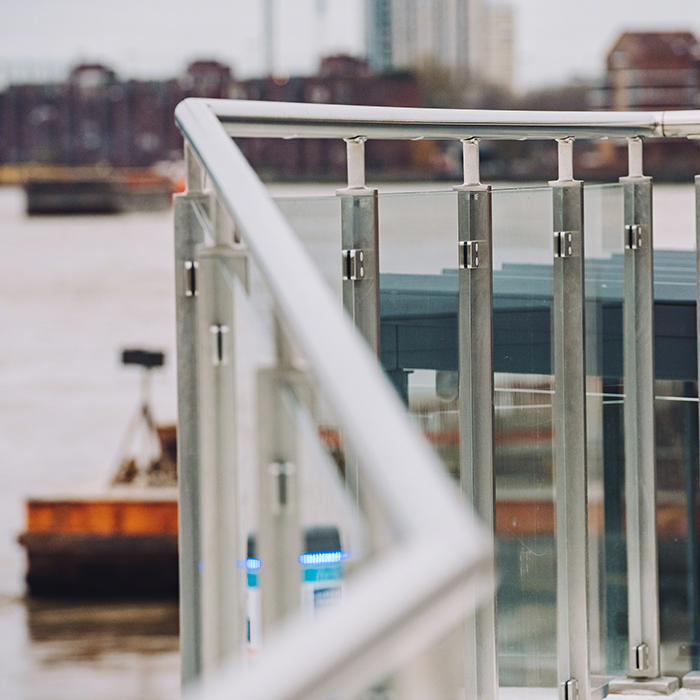
A corrosion-resistant layer naturally forms when chromium reacts with sufficient oxygen (via air and water). If this protective layer is damaged or removed during fabrication or polishing, it will self-repair immediately as long as the surface is clean.
Although stainless steel is more resistant to corrosion than other carbon and alloy steels, the term stainless steel describes the metal’s rust-resistant properties. However, stainless steel does not mean it is entirely stain-resistant in certain conditions. It is essential to follow a preventative maintenance program to keep the desired look.
Corrosive Environments
Other chemical reactions that may cause stainless steel deterioration include carbon picked up from bending or fabricating tools, finishing equipment, or steel covered workbenches. The fumes from muriatic acid solution often used by contractors or masons on masonry can attack stainless steel.
When considering the material’s mechanical finish — satin or mirror — corrosion-causing agents will collect within the fine lines of a satin finish instead of a smooth mirror surface.
There are varying levels and types of corrosion. If corrosion is a concern, it is advisable to seek additional technical reading on the subject.