 Shopping Cart (



The work of the stair skirt board is truly mesmerizing. It’s the finish running along the wall next to a set of stairs, playing a big role in how the staircase looks. A stair skirt board is ideal for hiding imperfections, such as bad cuts, gaps, or other flaws.
In this quick guide, we’ll understand more about what exactly a skirting board for a staircase is, and whether you really need one. We’ll also review how the skirtboard for stairs fits, how it functions, and how to avoid some common rookie mistakes.
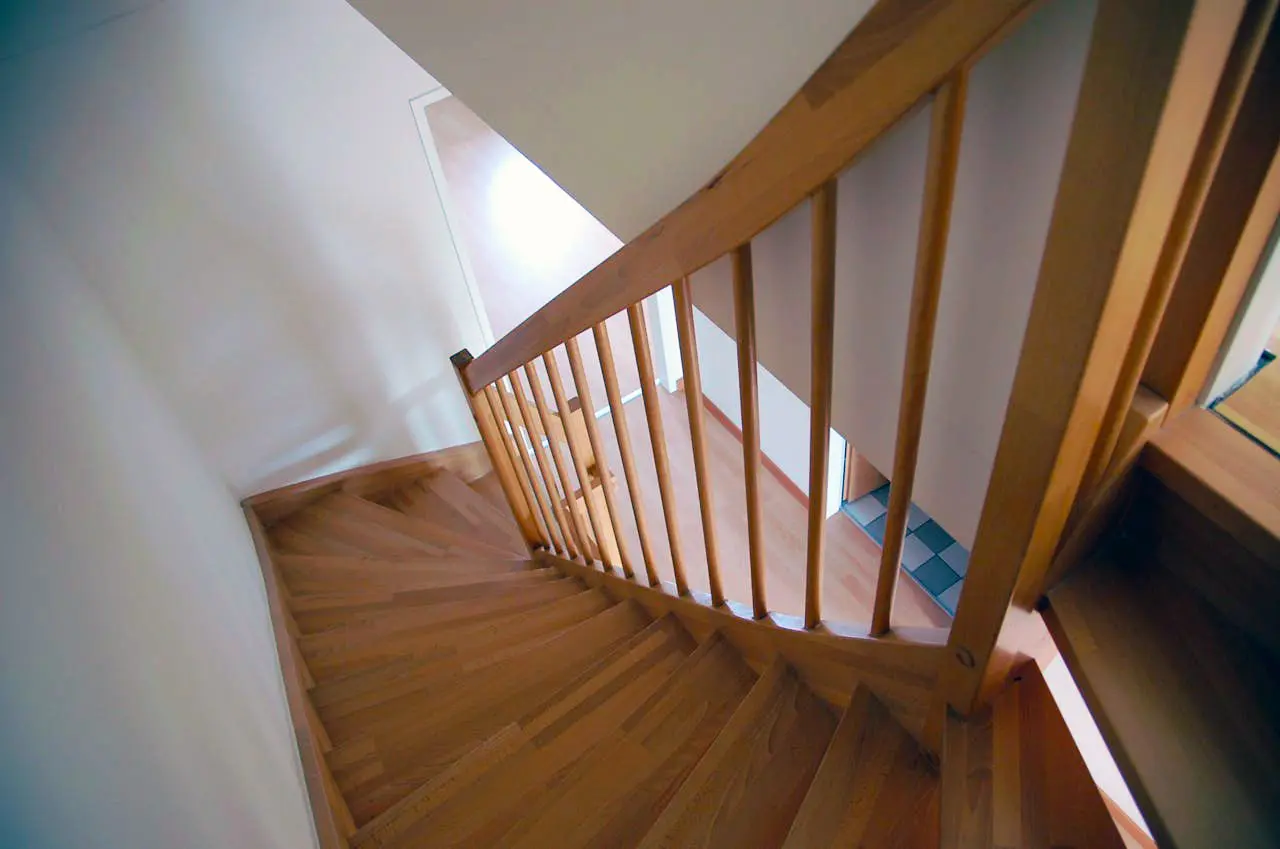
What Is a Skirt Board on Stairs
A skirt board for stairs (also known as a stair skirtboard) is a long board that is positioned at the side of the staircase, along the wall. It’s typically found right above the threads and risers, and covers the joint where the stairs connect with the wall.
The main purpose, of course, is to hide any imperfections and bring an appealing appearance.
However, the stairway skirt board is way more than a design touch. It also has another purpose, which is to protect the wall from stains and scuffs from shoes. In a nutshell, the staircase skirt is there to blend functionality with finishing appeal and aligns perfectly with almost any staircase.
Do You Need Skirting on Stairs?
If we need to consider this objectively, you can, of course, craft stairs without a skirt board, but in most cases, homeowners just prefer having one.
Without the skirt board, the edges where the treads and risers connect with the wall can seem like they are unfinished, and all the rough edges remain exposed. This can be prevented with extreme precision, but the effort and detailing aren’t worth it when you can just put a skirt board.
In addition, the protection that a skirt board adds is very welcome, especially with drywall, so if you want to prevent scuffs over time, a skirt board is a big payoff.
What Is the Purpose of Skirting?
The primary purpose, or “function” of a stair skirting is to deliver both a finishing touch and ultimate wall protection as a shield from shoes.
It’s easy to imagine damaging an unprotected drywall while walking up or down the staircase, or when the vacuum bumps into it. So, while the skirting board for the staircase adds an appealing visual touch to your staircase, it also keeps the drywall protected and hides all inconsistencies.
When to Install Stair Skirt Board
Installing a stair skirt board is not always necessary. However, deploying one at the right time can make all the difference between a rough appeal and a mesmerizing finish. So, to find out whether you need a stair skirt board or not, we’ve prepared a few occasions for consideration.
When to Install
Here are a few scenarios when installing a skirt board makes sense:
- New Construction: When the staircase is new, a skirt board for stairs can be added before the fitting of the treads and risers for a clean look.
- Major Renovation: If you’re renovating your staircase, this would be the perfect opportunity to consider a stair skirt board to elevate the design.
- Visible Staircase: When your stairs are the center spot of your home, having a skirt board is ideal to boost the overall aesthetic and home design.
When Not to Install
Here are some occasions where the skirt board may not be a good approach:
- The Fit is Tight: If adding a skirt board requires major alterations, especially when you don’t need a full renovation, skipping a skirt board makes more sense.
- Low Traffic Stairs: If your stairs lead to an attic or basement, without too much visibility and traffic, altering the entire construction may be more effort than reward.
- Low Budget: If you’re on a budget and time is tight, you can complete the stairs without a skirt board and use paint to clean the edges.
In short, it’s up to you to decide whether you want a skirt board or not.
Is There an Alternative to Stair Skirting Boards?
Yes, there is an alternative to stair skirting boards. There are a lot of other creative ways to get the same result, some of which are more expensive, while others are significantly cheaper.
Many homeowners choose a stair skirt board alternative, such as running a baseboard molding up the wall or using something like a flexible trim that follows the angle of the treads and risers.
The end goal here is to cover the gaps; hence, anything that achieves this works but requires a bit more financial investment and creativity.
On the other hand, if you prefer something much simpler, you can just leave the stairs without a skirt board and apply a bead of caulk at the joints. Yes, it’s not as refined as with a skirt board, but surely it’s cheaper and brings a traditional finished look.
How to Install Skirt Board on Existing Stairs
Installing a skirt board for stairs after the staircase has already been built could be challenging, especially if you’re not the one who built it. The main hurdle here comes from the way that the stairs are connected to the wall, and whether it’s possible to separate them without alteration.
The main goal here is to fit the board tightly against the wall and over the contour of the treads and risers without damaging either surface.
Here are a few steps to make things simpler for you:
Step 1: Visual Inspection
The first thing to do is check whether deploying a skirt board is possible without having to do any major renovations to your staircase. If you can disconnect the steps from the wall and put some space for the skirt board, then you’re ready to go.
Otherwise, you’ll have to trim the stairs. If you don’t know how to trim a staircase, then this may not be a good approach for a DIY project.
Step 2: Measure and Plan
Before you start cutting anything, we recommend measuring and planning the exact shape of the stair skirtboard. Then, start at the top and bottom of the staircase, marking where the board will sit along the wall.
Let’s now move on to the difficult part and learn how to cut staircase skirt board.
Step 3: Cut the Skirt Board
Now you need to cut the skirt board accordingly to your markings using a jigsaw or regular saw, but you’ll need to smooth out all rough edges. However, we recommend learning exactly how to cut stair skirt board before you start for the best results.
If you have the markings but you don’t know how to cut skirt board for stairs, you can use any professional service for cutting skirt boards for stairs in your area for a smooth trim.
Step 4: Scribe and Deploy
Another major issue that could arise is an uneven wall. If that’s the case, you’ll need to learn how to scribe a stair skirt, which means tracing the wall’s contour onto the board. Again, if you are lacking the needed tools, you may need to use a professional service for this.
Step 5: Install Securely
When the skirt board is in position and everything aligns well, you can use nails or adhesive to secure it to the wall. This is the part where you need to spend the most time on to guarantee that the skirt board will bring a professional look.
In a nutshell, that’s how to install a skirt board on stairs!
What Wood to Use for Stair Skirts
If you’re now confident and you know how to install stair skirt board, the process always comes down to choosing a wood for skirtboard stairs. There are many stair skirt board ideas, but for a long-lasting and durable staircase skirting, we strongly recommend going with oak or maple.
They hold up well against daily wear and maintain a polished appearance over time, so when you are installing a stair skirt board, those are the factors that really matter.
So, softer woods can work for budget-friendly projects, but they may dent or wear faster, especially in high-traffic areas. In contrast, the hardwood can make it hard to trip, so learning how to cut skirtboard for stairs might be essential.
We hope this guide was helpful in learning what a skirtboard for stairs is and how to make a skirt board for pre-existing stairs without too much hassle.