 Shopping Cart (



The reason why picket railing is so popular among homeowners is that it blends perfectly with many different styles, tastes, and environments. The simplistic lines, open spacing, and steady architecture make your outdoor areas feel organized, no matter the materials you’ve chosen.
Most buyers explore options such as aluminum railings or wood for their railing pickets, then compare the pros and cons to their specific requirements. Finally, they settle on a picket railing system that satisfies their style, shape, and price preference.
That’s why in this quick guide, we will run you through everything you need to know, including the spacing between the handrail pickets, their size, posts, top and bottom rails, and more.
What Is a Picket Railing
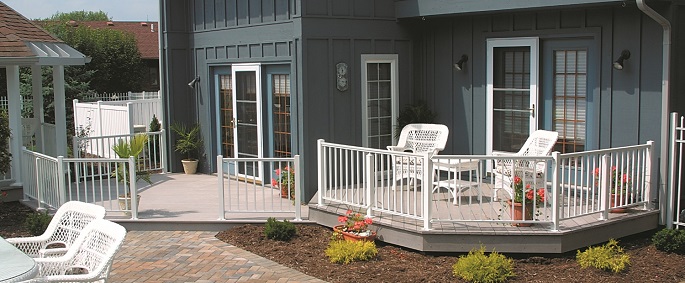
The picket railing architecture features vertical bars installed at equal distances from the frame and from one another. Some people call them “rail pickets” or “pickets for railing”, and they come in a variety of materials, including aluminum, wood, steel, and metal picket railing.
The installation includes posts, a bottom rail, and the top line that secures everything into place. They are incredibly strong and durable, and the variety of materials allows many homeowners to use picket railing for outdoor areas such as the front porch.
What Size Are Picket Railings
When it comes to picket railings, we have several critical variables: height, width, thickness, and spacing, each of which plays a vital role during the installation.
There are specific building codes that clearly outline the requirements for “size,” and they vary depending on whether it is for residential, commercial, a staircase, or a deck.
Let’s go over the most important building codes:
|
Railing Height |
|
| Type: | Requirement: |
| Residential Decks | 36 inches minimum |
| Commercial or Public Areas | 42 inches minimum |
| Stair Handrails | 34 to 38 inches from the stair tread nose |
| Local Code Exceptions | Some regions require 42 inches for all decks |
|
Width and Tickness |
|
| Material: | Size Options: |
| Wood Square | 1 1/4", 1 5/8", 1 3/4" |
| Wood Rectangular | 4" wide, 0.5" thick |
| Metal Square | 5/8", 3/4" |
| Metal Round | 1 1/2" wide, 5/8" thick |
Note: The two main types of metal deck railing pickets by material are aluminum and steel!
|
Picket Spacing |
|
| Rule: | Requirement: |
| Maximum Allowed Gap | Less than 4 inches |
| Reason | A 4-inch sphere must not pass |
| Applies To | All rails and all picket materials |
Note: We strongly recommend that these requirements align with the current local code for your area to avoid potential commercial penalties and safety hazards.
What's the Difference Between a Baluster and a Picket
A picket is a straight vertical piece used in rail frames, while a baluster is the traditional term found in older stair work. Many homes use iron balusters or square balusters for a heavier look, and some builders refer to them as baluster spindles.
The pickets follow simpler shapes and fit modern layouts, so they appear more often in outdoor projects, while balusters mainly appear on vintage/traditional stair railing.
Benefits of Installing a Picket Railing System
Picket railing undoubtedly provides you with a lot of advantages, with really low upkeep, which makes it a widely preferred option for any outdoor area, whether it’s stairs, porches, or decks.
Another thing that homeowners love about picket railing is its simplistic and ordered layout that matches almost any environment, style, and taste.
Let’s go over some of the standout advantages:
- Safer Support: A railing for front porch steps gives you a dependable grip and steady footing on uneven entry areas.
- Long Service: Aluminum pickets resist corrosion and hold shape through rain and heat across many seasons.
- Strong Build Stability: Metal railing pickets keep the frame solid when the deck sits higher off the ground.
- Upkeep Convenience: A maintenance-free finish reduces cleaning time and decreases long-term work around the home.
- Clean Look Design: A vertical picket railing keeps clear sight lines across the yard and open spaces.
- Quick Setup Process: The pre-assembled section shortens installation and reduces measuring errors during build work.
- Better Finish Protection: Powder-coated surfaces and other coated finishes help prevent wear in harsh weather.
Quick Tip: If you go with metal pickets for deck railing, you’ll enjoy the most advantages!
Different Types of Picket Railings
When it comes to different types, pickets for railings can be categorized in two ways: by material and by design. Let’s take a look at some of the most popular types:
| By Material: | By Design: |
| Aluminum Picket Railing | Standard / Vertical Pickets |
| Stainless Steel Pickets | Wide Pickets / Slats |
| Vinyl / PVC Picket Railings | Decorative / Ornamental Pickets |
| Steel or Wrought Iron Picket Railings | "Cathedral" or "Scalloped" Pickets |
Note: There are also pre-assembled picket panels as well as metal rail pickets that can easily be combined with other materials.
Different Types of Handrails for Picket Railings
Handrails shape how the system feels when you use it, especially near stairs and front steps. The goal is to match comfort with the railing design, so the setup fits your porch or picket deck railing without issues.
Here are some of the most popular choices:
- Round Handrails: This shape offers steady grip support and meets common accessibility rules for size and comfort.
- Square or Rectangular Handrails: These lines suit modern layouts found in many railings for the front, and they keep edges smooth for safe use.
- Oval Handrails: This profile feels natural in the hand and blends well with both classic and newer styles found at any local store.
- Custom Profiles: Wood versions allow detailed shapes, including shallow grooves or modest trim that can match unique porch layouts.
We hope that you learned the essentials you need for choosing the right setup for your home!