 Shopping Cart (



If you’ve made up your mind and you’re now ready to replace your staircase spindles, know that this is an excellent decision that will completely change the look of your staircase.

In short, replacing stair spindles is a quick and efficient way to add a fresh and modern touch to your home without a full renovation. This DIY project is fully manageable with the right tools and correct information, making it a cost-effective way to enhance the stair railing and boost appeal.
The process is simple and involves:
- Removing old stair spindles
- Securing new stair spindles
- Building codes compliance
This quick article will walk you through everything, from the tools and installation, to potential solutions to common challenges.
Changing Stair Spindles - Is It Easy to Replace Staircase Spindles?
Changing stair spindles is a straightforward DIY project that can refresh your staircase. How easy it would be depends on your tools and experience.
Undoubtedly, the most challenging aspect of replacing your stair spindles is removing the old ones without potentially damaging the stair railing or treads. To achieve seamless replacement, proper measurements for the space between stair spindles and compliance with building codes are probably the most important factors.
How To Secure Stair Spindles in 4 Easy Steps
Stabilizing stair spindles is the fundamental step to ensure the safety of your stair railing, regardless of the type of spindles you’re replacing.
We’ve prepared 4 fundamental steps to guide you through how to install stair spindles:
Inspect Spindle Fit:
First, you must ensure that each spindle fits into the top railing and the bottom tread or rail. In some cases, you may need to sand or trim wooden balusters lightly if needed for a secure fit.
Apply Adhesive:
Use wood glue for wooden spindles or epoxy for iron spindles to bond them with the railing or tread. It’s crucial to apply a small amount to avoid excess dripping.
Secure with Screws
Here’s how to replace wooden stair spindles:
For Wooden Spindles: For loose wooden balusters, drill a small pilot hole at an angle through the spindle base into the tread, then insert a screw for extra hold.
Here’s how to replace iron stair spindles:
For Iron Spindles: For iron balusters, attach baluster shoes at the base and top, securing them with adhesive or set screws to prevent wobbling.
Now, let’s ensure compliance (e.g, stair spindle spacing and stability).
Verify the Spacing:
We recommend measuring the distance between stair spindles to comply with stair spindle spacing code, keeping spacing under four inches to ensure safety.
When ready, test the stability of your railing by firmly grasping the handrail!
Tools Needed for Replacing Stair Spindles
The tools required for replacing stair spindles will guarantee your success.
Here’s a list of tools needed for the replacement:
| Screwdriver | Flathead or Phillips screwdriver to undo screws holding old balusters in place. |
| Pliers | Removes old wooden spindles or nails, helping avoid damage to the stair railing. |
| Handsaw | Cuts through wooden balusters, especially if nailed or glued, for easy removal. |
| Drill with Bits | Drills pilot holes for screws, a crucial step to secure new stair spindles. |
| Measuring Tape | Measures spacing between spindles to comply with building codes. |
Pro Tip: There are other optional tools you may need to use, such as sandpaper and a utility knife, but they are optional as far as you’re concerned.
How To Remove Stair Spindles Without Damaging Anything
As we’ve mentioned previously, removing your old spindles without damaging anything is the most challenging part of the entire removal process.
Here are some detailed steps that will outline the process:
- Start by checking how the balusters are attached.
- Info: Some are glued, others might be nailed down.
- If glued, use a knife to remove the bond in-between.
- If nailed, use a screwdriver to undo the the screws.
- If they won’t come out, use a saw to chop them off.
So, it’s important to carefully evaluate the situation in your case and use the correct tools for the removal process. If you’re rushing, you’ll most likely damage your threads, which is irreversible.
We now know how to remove stair spindles, so let’s learn about how to change stair spindles!
How To Replace Banister Spindles
If you need to replace banister spindles, again, removing the old ones is the part of the process that will take the most time.
Unlike other staircase components, the banister spindles are often involved in special fittings or angled cuts, which complicates the procedure.
We’ve prepared several steps to walk you through the stair spindle replacement process:
Evaluate the Spindles:
The first and critical step is to inspect and access the way your currency banister spindles are attached (e.g; nailed, screwed, or glued). This will help you understand what is the best way to remove them and determine the tools you need.
The essential tools you can’t go without are, screwdriver, a saw, a measuring tape, and a knife.
Remove Old Spindles:
You can follow the removal instructions we’ve previously discussed to remove your banister spindles without damaging your railing system.
However, to simplify the process, let’s say that you need to either undo screws, remove glue, or in the worst case scenario, saw the spindles away.
Cut Out New Spindles:
The next step is measuring the distance between the handrail and the tread, accounting for any angle where the banister slopes. Then you can easily cut new wood or iron balusters that will fit precisely in the place of your old ones.
Tip: Lightly sand wooden spindles for a smooth fit if needed.
Install Banister Spindles:
Again, when installing stair spindles, we have two different approaches:
- For wooden spindles, you will need to apply some wood glue to the ends and insert them into the handrail/tread holes (In some cases additional screws are needed for security).
- For iron spindles, you must use epoxy and then attach the baluster shoes at both ends to lock them into the stair railing.
That’s it. Now let’s next verify security and compliance.
Check Spacing and Secure:
Finally, you must ensure the spacing of stair spindles is under four inches to meet building code, using a measuring tape for accuracy. This is how far apart should stair spindles should be, so test each baluster for compliance and stability.
How to Paint Stair Spindles
Painting stair spindles is not challenging, especially when working with fresh, replacement stair spindles or existing wood balusters.
The best way to paint stair spindles is to lightly sand each stair baluster first, ensuring a smooth surface for the paint to bond to. This preparation work, paired with a proper center spacing to keep your workspace clear, sets you up for a flawless finish.
For painting stair spindles, you’ve two general options:
- Spraying stair spindles: A paint sprayer can save time and give a sleek, even coat, as seen in DIY makeovers.
- Brushing stair spindles: Using a small, angled brush (based on spindle width), you can paint the spindles with precision for wood balusters, ensuring every curve is covered cleanly.
Note: It’s important to cover other stair parts to avoid painting unwanted areas.
Changing Stair Spindles - Consider Ready-Made Railing Systems
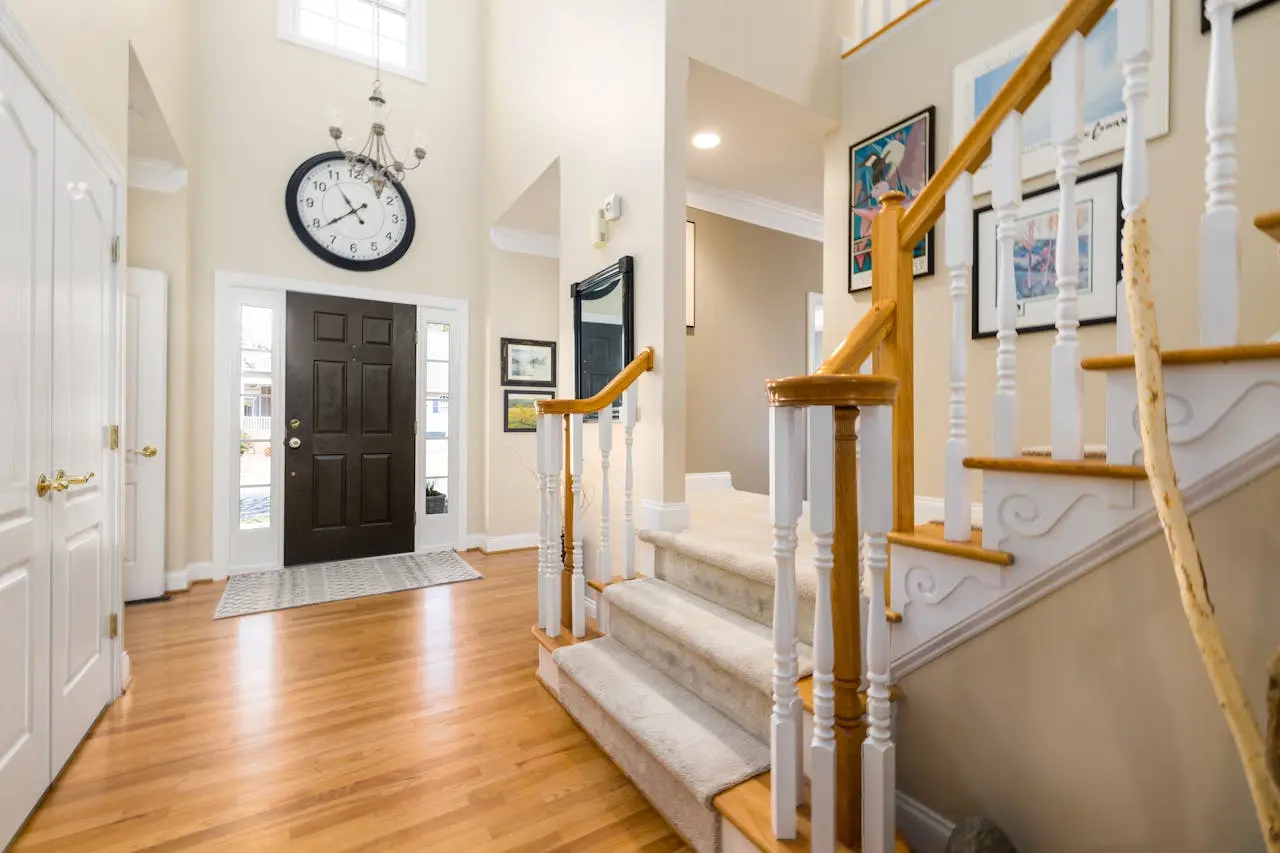
When you’re changing stair spindles, consider the sleek and convenient Hand Rail Kits from BuyRailings, which make updating your stair railing a breeze.
These kits come with everything you need — pre-cut rails, stair balusters, and the mounting hardware you need for a perfect and modern look with minimal hassle. Ideal for DIYers, here at BuyRailings, we offer durable, high-quality options for you to explore.
If you don’t know how to install a stair railing with spindles, our hand rail kits would be perfect, especially if you’re lacking experience.
Modern Cable Railing - Sleek and Effective Solution
Now that you know how to change out stair spindles, there is another railing option BuyRailings carries – Cable Railings, which is a nice way to boost the aesthetics of your staircase.
Our cable railing kits come with the highest-quality stainless steel cables and fittings that create an open look while ensuring everything from safety to longevity. They are perfect for DIY’ers, so don’t wait and explore your options at BuyRailings.com.