 Shopping Cart (



A small thing that often goes unnoticed, until it’s not there, is the bar foot rail allowing you to step on a bar, settle onto a stool, and rest your feet.
It’s a small detail, but once you get used to it, there is no going back!
So, if you’re about to design a home bar with a foot rail or renovate a commercial stop, adding a foot rail on bar is one of the thoughtful ideas you shouldn’t overlook.
In this thorough guide, we’ll explore why do bars have foot rails, how to acquire the correct bar foot rail measurements, and explore bar foot rail ideas. We’ll dive deep into everything from a brass foot rail for bar, to DIY bar foot rail ideas and answer questions such as how high should a foot rail be on a bar to help you formulate the best bar foot rest ideas.
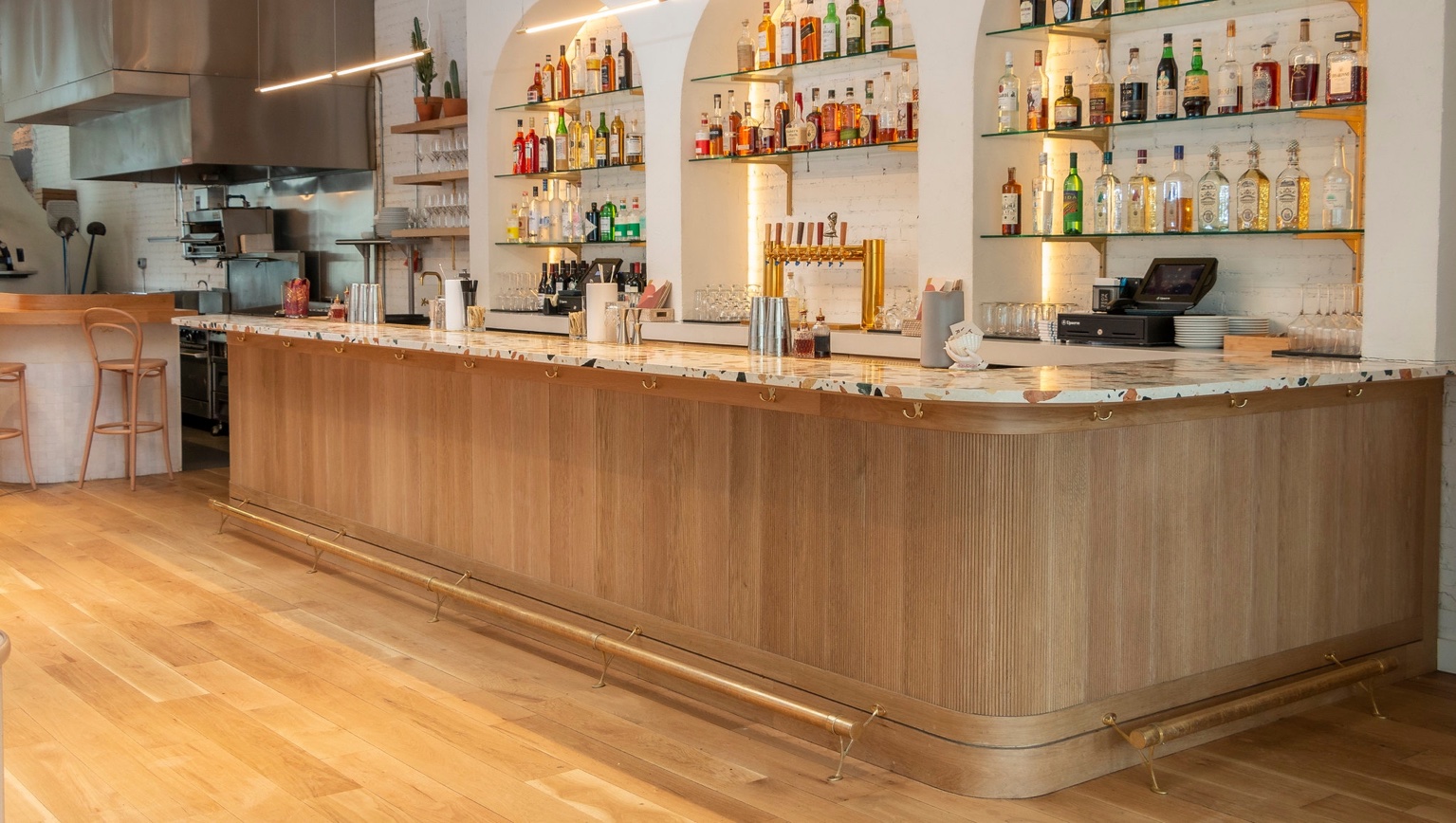
Why Do Bars Have Foot Rails
So, what is a bar rail for? The answer is simple and straightforward: comfort!
A foot rail is a guaranteed way to provide a natural place for your guests to reset their feet and help them get comfortable while seated. Without a foot rail, the legs awkwardly sit beneath the counter, which gets uncomfortable really, really quickly, especially after a few popular rail drinks.
That’s why you’ll find a bar with a foot rail in nearly every well-designed space.
What Is the Purpose of a Bar Foot Rail
Now that we know what a rail is at a bar, we can go beyond the comfort; foot rails have many practical perks. They serve as a visual anchor at the base of the bar and can deliver unmatched aesthetics in your home, pub, or resting area.
Here are a few reasons why do bars have foot rails:
- They reduce the fatigue from sitting or standing
- They add a stylish, finished touch to any bar foot
- Encourage people to stay longer and sit naturally
- Small barrier at the front of the bartender’s space
A bar with a brass foot rail isn’t just tradition — it’s function meeting design!
We now know what rails are at a bar and what they are used for, but how are they built?
How To Build a Bar Foot Rail
When installed, a foot rail on a bar might seem like a small detail that has been added, but it’s not that simple to install, and it’s not a small detail at all. It does not matter whether you’re working on a commercial pub or you’re upgrading the home bar with a foot rail; it’s a very delicate process.
First, let’s answer the most important questions!
How Far Out Should a Bar Foot Rail Be
Well, the ideal bar foot rail distance from the bar is typically 6 to 8 inches from the front edge.
This provides just enough space for guests to comfortably slide their feet under the counter without bumping their knees.
Also, when asking how far should a foot rail be from the bar, remember that the main goal is always ergonomic balance. In short, close enough for support, but far enough not to interfere with seating posture!
What Is the Height of a Bar Foot Rail
Wondering how high is a bar foot rail?
Well, most installers place it between 6 and 9 inches off the floor, depending on stool height and bar design. Generally speaking, how high should a bar foot rail be, and the overall bar foot rail height always comes down to comfort, so aim for a natural foot position when seated.
Note: Always double-check your bar foot rail measurements before drilling!
Here are the complete steps for how to build a bar foot rail:
Step 1: Plan Your Foot Rail Layout
The first and most important step, before drilling any holes, is to create a sketch and determine exactly how your rail will run. You need to consider a few important factors, such as whether it will wrap around the sides of the bar or simply go straight.
It’s also critical to ensure that the planned layout of your foot rail will not interfere with the bar mount brackets or bar stool foot rail replacement.
So, before you start, ask yourself the following questions:
- How long is the bar, hence how long the foot rail must be?
- Will the bar foot rail be freestanding or mounted on the wall?
- Do I want a clean, modern line or something more classic?
At this critical step, you must also decide the style of your foot railing for the bar, whether it's going to be brass, black matte, powder-coated, or stainless steel.
Step 2: Take Measurements Carefully
This is the most crucial step of the process – this is where most people fail to measure their space correctly and end up with a shorter or longer foot bar rail.
The best tip is to measure everything twice!
For example, a standard bar food rail height is about 6 to 9 inches from the floor, of course, based on the bar height and dimensions. Yes, it’s a very small detail, but it’s critical for how the rail would feel when your guests rest their feet on it.
So, you must calculate the following with precision:
- Bar foot rail distance from bar: This is ideally 6 to 8 inches out from the base.
- Bar foot rail measurements: Total length, plus elbows if wrapping around corners.
- How far should a foot rail be from the bar: About 6–8 inches is the sweet spot.
- How high should bar foot rail be: Again, around 7 inches off the floor works best.
We recommend sketching it out and marking the bar foot rail dimensions with a tape measure, to be able to visualize how it will stand before drilling holes.
Step 3: Choose Materials & Brackets
This is the best part – choosing the design!
Well, for most foot rails for bars, people go with bar rail tubing, which comes in a wide range of different materials and finishes. For instance, stainless steel offers modernization, while a brass foot rail for bars delivers a warm and classic vibe.
When choosing a material, also consider:
- Mounting brackets: You must choose between floor, bar-face, or combo mounts.
- Bar tops: Make sure the bar foot rail kit's style complements your countertop or wood finish.
- Speed rail or other accessories? Ensure everything aligns and is visually appealing.
Note: Don't forget to order end caps and elbows if you're creating a wraparound design!
Step 4: Installing the Brackets
To install your foot rail bar correctly, you must begin by attaching the bar mount brackets or the floor brackets based on your design. This is the foundation of your layout.
As mentioned, you must first mark their position and space them evenly every 4 to 6 feet in order to ensure that the feet will rest comfortably. This is crucial, especially for longer rails.
Use appropriate anchors depending on your flooring or bar front material. If installing onto wood or tile, pilot holes are a must. For concrete, you'll need masonry anchors. Once the brackets are secure, double-check that they’re level and evenly spaced.
Step 5: Attach the Rail Tubing
The next step is to slide the bar rail tubing into the brackets and make any adjustments prior to tightening them, which ensures that everything ends up clean.
This is the part when you need to consider the corners and whether you’ll use elbows to join the tubing around the corners. Make sure all fittings are snug but avoid over-tightening, especially with softer metals like bar with brass foot rail, which can scratch.
Step 6: Finalizing the Foot Rail
The final touch is to add the end caps on the open tube end. These finish off your rail and keep the interior clean and debris-free.
Then, wipe down the surface to remove fingerprints or adhesive marks — especially if your rail is garnished with a lime now and then by guests. Step back and admire the finished look. You’ve just added a professional detail that’s as functional as it is eye-catching.
That was how to install a bar foot rail, so let’s explore some ideas!
Creative DIY Bar Foot Rail Ideas
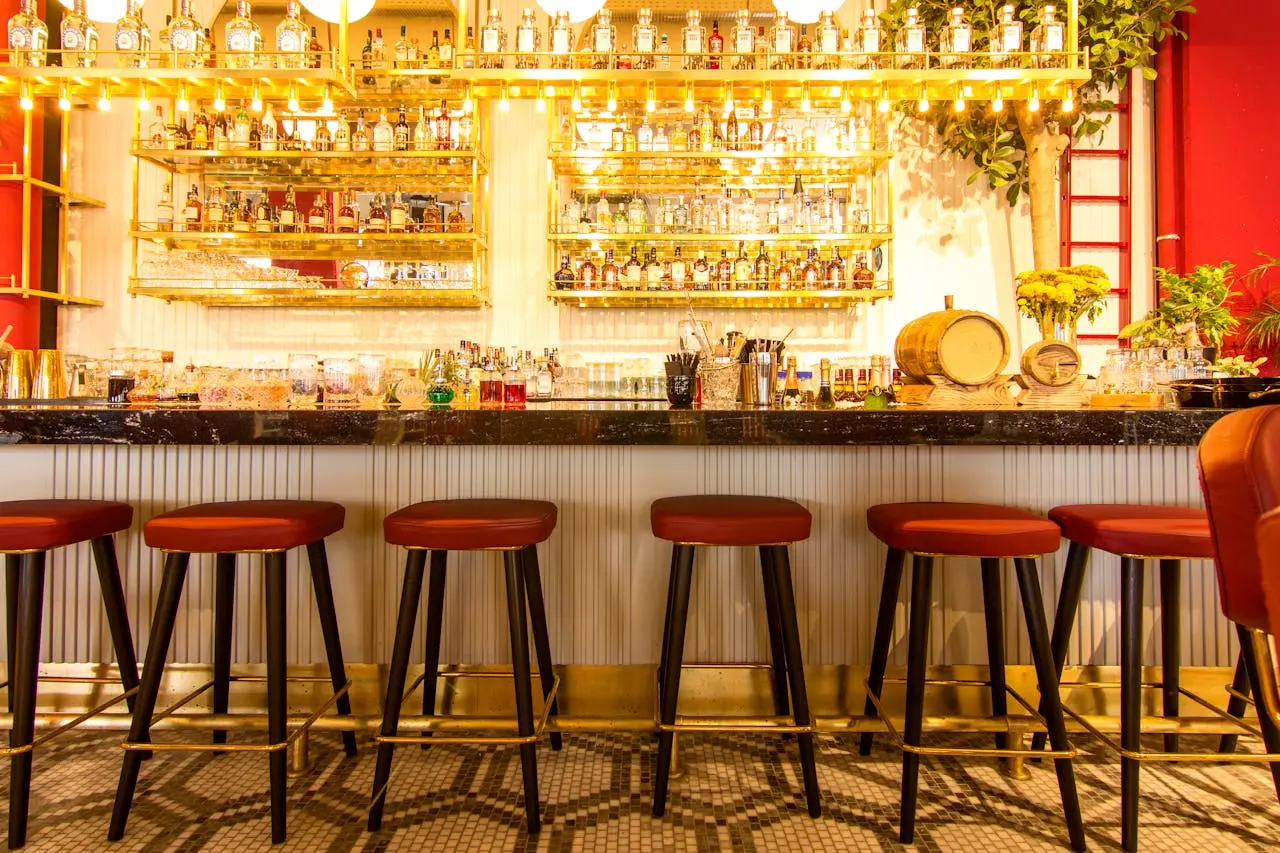
Now that we know how to make a bar foot rail, you may be curious to learn some DIY methods!
If you’re going to build your bar foot rail on your own, there are many DIY options to consider. We understand that some of the traditional options might not suit your taste, and while tubing and mounting brackets work great, a little creativity would elevate your bar rail to the next level.
We’ve prepared some of the best DIY bar foot rail ideas, so let’s check them out:
- Reclaimed wood rails: Use a sanded beam or barn wood plank instead of metal tubing for a warm, rustic look that pairs perfectly with handcrafted bar tops.
- Industrial pipe foot rail: Black iron or galvanized plumbing pipe makes a sturdy, low-cost footrest that’s great for a modern or steampunk feel, just add matching bar mount brackets.
- Skateboard deck foot rail: Mount an old deck horizontally for a quirky footrest that adds personality to a casual or garage-style home bar with foot rail.
- LED-light tubing: Run a strip of lighting behind or under your foot railing for bar to add a glow that’s both stylish and functional for dim bar setups.
- Rope-wrapped rail: Wrap thick marine rope around a metal or wood bar rail for a nautical, coastal look, great for beach bars or patios.
- Concrete mold footrest: Pour a low concrete mold at the base of your bar for a seamless, built-in look. Ideal for ultra-modern or outdoor spaces using stainless steel accents.
- Mixed-material foot rail: Combine bar rail tubing with wood end caps or stone bases for a custom hybrid style that breaks the mold of standard bar rail ideas.
- Flip-down foot rail: Hinged rails that can be lifted or dropped depending on space or use, perfect for small kitchens or bars where flexibility matters.
With these bar foot rail ideas, creativity doesn't have to mean complicated.
Even a speed rail or decorative molding can serve as a foot rest at bar with a little modification. The key is choosing something that feels right under the foot and blends with your bar’s style.