 Shopping Cart (




A solid security feature for a stairway always starts with an ADA handrail, short for “Americans with Disabilities Act”, which sets clear standards for public spaces. One of these standards is the handrail extension, which adds a bit of extra length, going beyond the stairs, and provides additional stability while climbing up or down the stairway.
The ADA compliance is not only about rules. It’s more about designing a more secure railing system for all users, not only those with disabilities.
That’s why in this quick guide, we’ll walk you through what an ADA stair railing requires when handrail extensions are needed. In addition, we’ll learn how far they must extend to meet the official handrail extension requirements.
What Is a Handrail Extension
To explain this as concisely and clearly as possible, we can just say that the handrail extension is the railing real estate that continues beyond the top or bottom of a stair ramp.
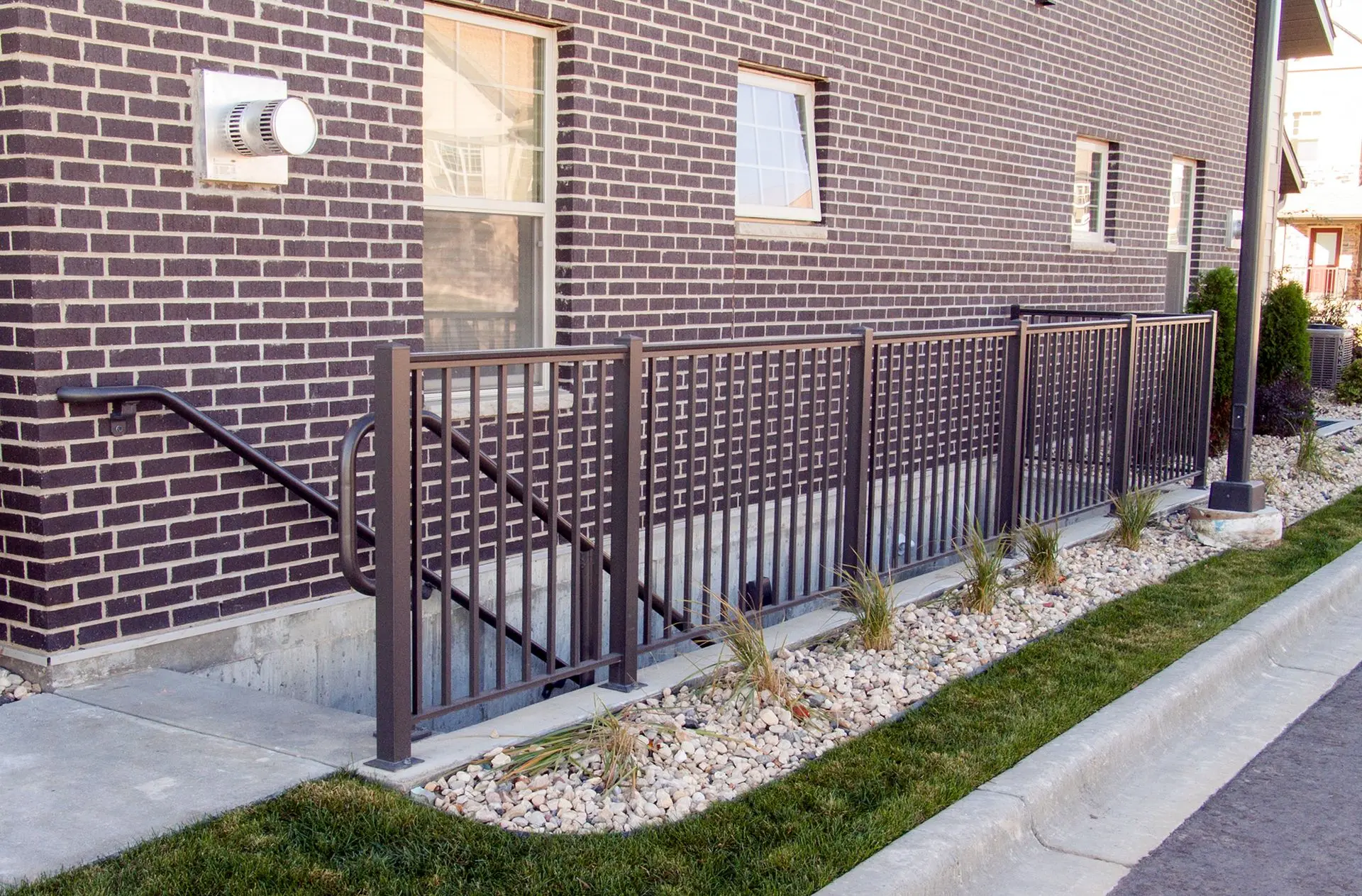
The primary purpose of the extension is to provide additional support for people as they step onto the walking surface of the stairs or after leaving the last riser nosing.
As per the ADA standards, the handrail extension at stairs must strictly follow the same direction as the slope, which later transitions into the level section. Those are small details, but when they combine, they function excellently, helping people with the balance at the start/end of the climb.
Are Handrail Extensions Required?
Yes, handrail extensions at stairs are mainly required, especially when the ramps or stairways are a part of an accessible route.
The ADA standards outline that handrails are required on both sides of all stairs and ramps, where each must include a correct stair railing extension or ramp handrail extension to ensure a strong grip and transition.
However, there are a few exceptions, though!
Some small or private stairways that aren’t part of an accessible path, certain dwelling units, or alterations where a railing extension would create a safety hazard or block a walking surface may be exempt. Hence, in those cases, the access board allows limited flexibility, as long as the rest of the railing system meets the required handrail gripping surfaces and height standards.
What Is the Minimum Handrail Extension
The minimum handrail extension strictly depends on the type of stairway or the kind of ramps you’re dealing with. What’s important to remember here is that the goal of this extension is to provide users with enough length to steady themselves.
The ADA standards outline clear measurements for different situations, making sure that the handrail gripping surface is consistent across the climb.
Here’s a quick and easy-to-scan look at what’s required:
| Minimum Extension: | Direction: | Note: | |
| Top of Stairs | 12 inches of continuation beyond the riser nosing | Horizontal | Must extend level above the landing and continue in the same direction as the stair flight. |
| Bottom of Stairs | Equal to one tread depth beyond the last nosing. | Slope of stairs | Typically referred to as the handrail extension at the bottom of the stairs. |
| Top of Ramp | 12 inches minimum. | Horizontal | The extension starts above the walking surface at the landing. |
| Bottom of Ramp | 12 inches minimum. | Horizontal | May connect to another ramp handrail or return to a wall post. |
The lengths in the table clearly show the handrail ADA requirements set in 2010 (unchanged), but some local building codes may ask for longer extensions and/or specific handrail brackets.
ADA 2010 Standards - Handrail Extension Requirements
The 2012 ADA standards clearly outline how ADA handrails must be extended and installed to provide the support required for complete accessibility.
The primary focus can’t be simpler – continuous handrails that run the entire stair flight and completely extend the top and bottom rails without breaks.
Here are the critical handrail extension requirements under the ADA:
| Requirement: | Description: |
| 505.10.1 – Top Extension at Stairs | Extend 12 inches horizontally beyond the top riser nosing and continue at the same height above the walking surface. |
| 505.10.2 – Bottom Extension at Stairs | Extend along the same slope as the stair flight for at least the depth of one tread beyond the riser nosing. |
| 505.10.3 – Extensions at Ramps | Both the top and bottom of ramps must have 12-inch horizontal extensions beyond the ramp run. |
| 505.10.4 – Returns | All railing extensions must return to a wall, guard, floor, or continue into another run. |
| 505.10.5 – Height & Continuity | Maintain handrail height between 34–38 inches, measured from stair nosings or ramp surfaces; extensions must be part of continuous handrails. |
The ADA ramp handrail extension requirements and all these stairway standards have one thing in common – uninterrupted security. It does not matter whether we’re speaking about a handrail extension at the top of the stairs, or a handrail extension at the bottom of the stairs; it must completely comply.
Note: A smooth circular cross-section for easy grip is also mandatory!
Do You Need to Provide Stair Railing Extensions on Both Sides of a Stairway?
In short, yes. To achieve complete ADA compliance, handrails are required on both sides of the stair flight, and the ADA stair handrail extension is included.
So, even if one side is next to a walls guards or any other obstruction, the continuous handrails must be there and functional with a correct handrail bracket extension.
This is important because having the extension on both sides provides users with an easy grip, no matter which side they choose.
How Far Does a Handrail Need to Extend
As we’ve already mentioned, the handrail extension must go far enough to provide support at both ends of the stairway or ramp.
At the top of stairs, it should run for as long as 12 inches, and at the bottom of stairs, it should follow the slope for about one tread depth. When you’re dealing with a ramp handrail, both ends might require a 12-inch horizontal extension, and all railing extensions must return to the wall guard.
These measurements ensure a safe, reliable, and fully ADA-compliant handrail extension for the stair railing system, providing the support needed for anyone to climb.